Is limescale bad for your health?
All you need to know
Limescale in water: what is it?
Limestone refers to the presence of calcium and magnesium carbonate (CaCO3) in water. These are naturally-occurring minerals, often confused with limescale, which is actually just a deposit caused by the accumulation of limescale.
Minerals essential to the proper functioning of our body
Our body needs several minerals to function properly and renew its cells. The seven essential minerals are: calcium, magnesium, phosphorus, sodium, iron, zinc and selenium.
Calcium and magnesium, present in limestone, contribute to bone health, muscle function, nerve regulation and energy metabolism. Calcareous water, rich in these elements, is therefore beneficial to our body's equilibrium.
The importance of minerals
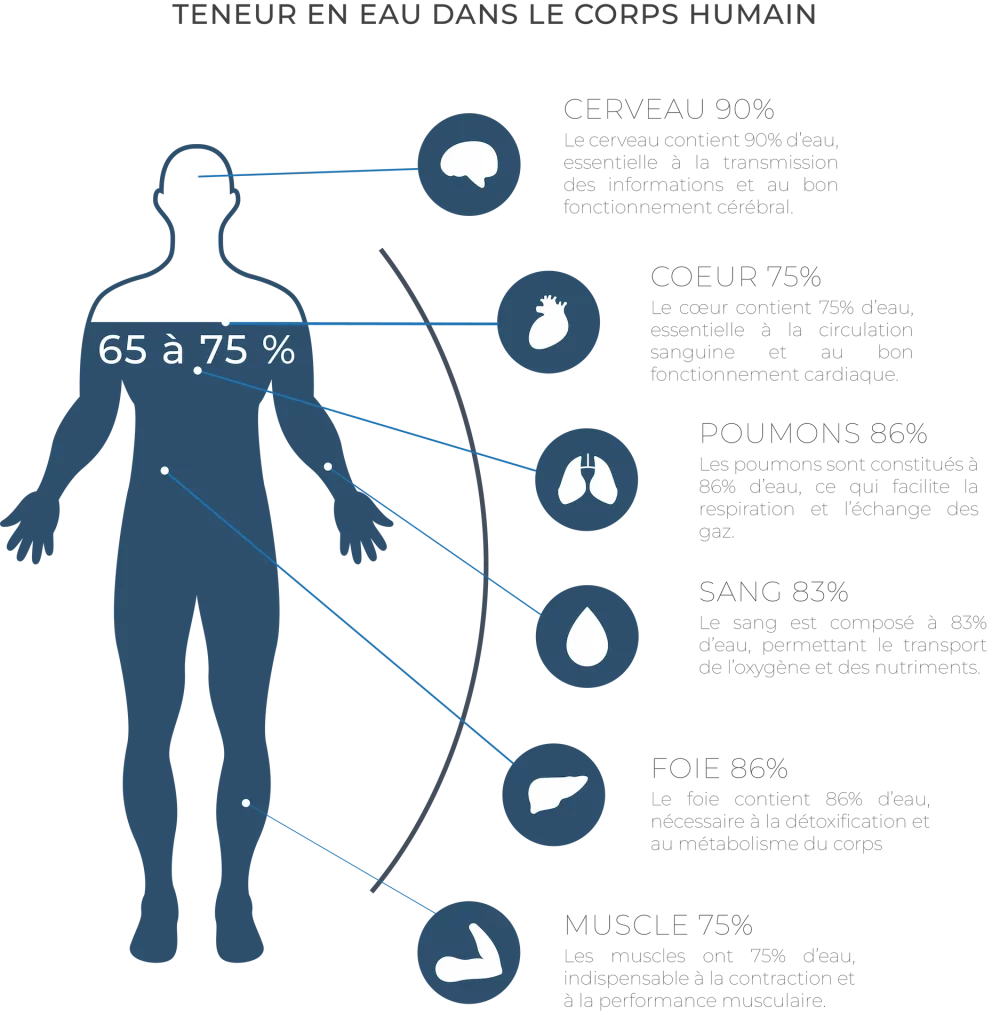
- Water is important for all body functions, particularly digestion and acid-base balance.
- For protein and enzyme function.
- Participates in the process of creating and maintaining the structure of the cell membrane.
- For the blood and lymph production process.
- Positive frequencies in the brain and throughout the body.
- Hydric function of exchanges in the body.
- Good liver and kidney function.
- Nutrient and energy transport.
- Thermal control.
- Elimination of waste and toxins.
- Exchange within cells.
- For the transport and assimilation of substances.
Hard water: Is limescale bad for your health?
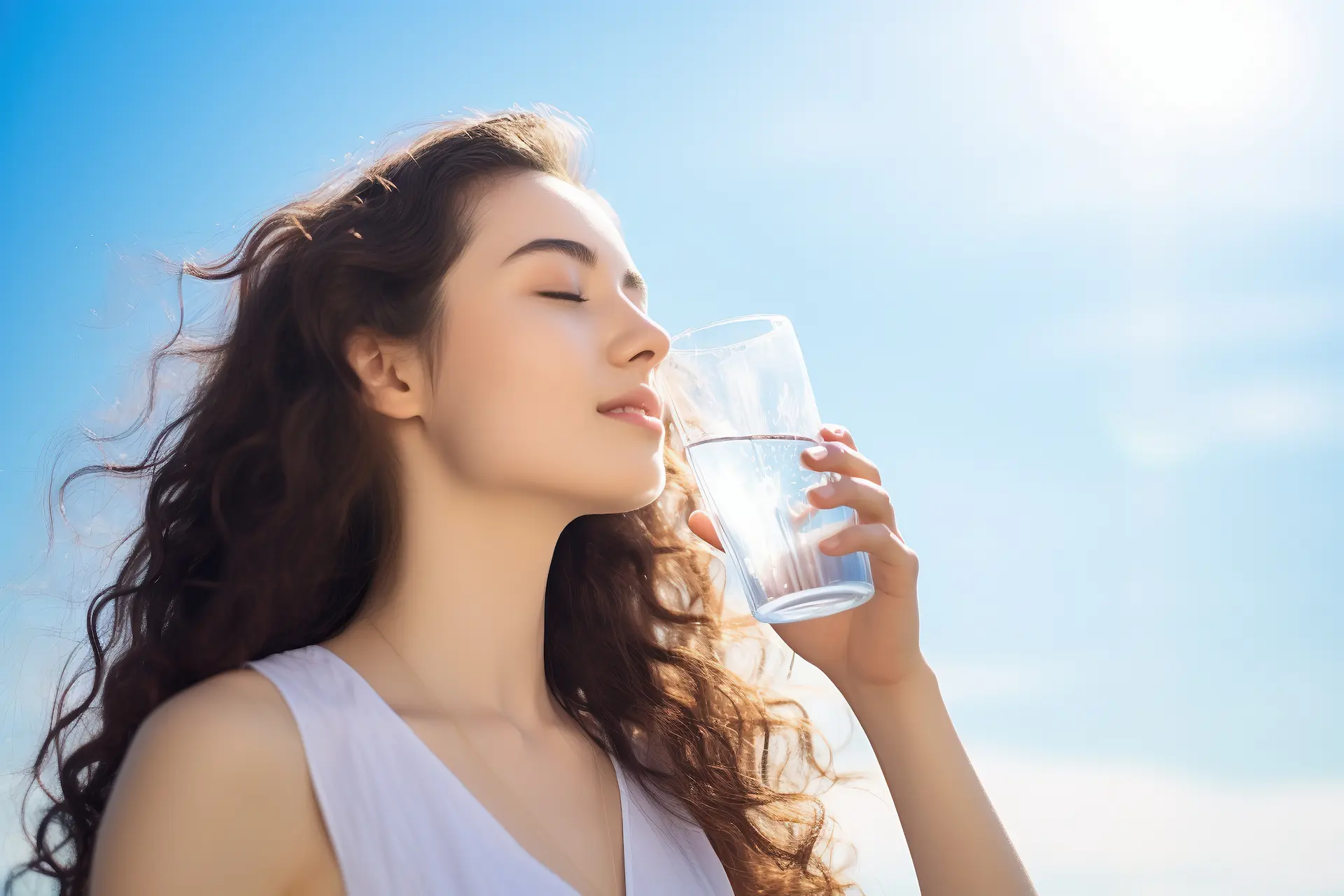
The answer is no: limescale is not bad for your health. On the contrary, consuming water containing limestone contributes to the daily intake of calcium and magnesium, minerals crucial to the body's proper functioning.
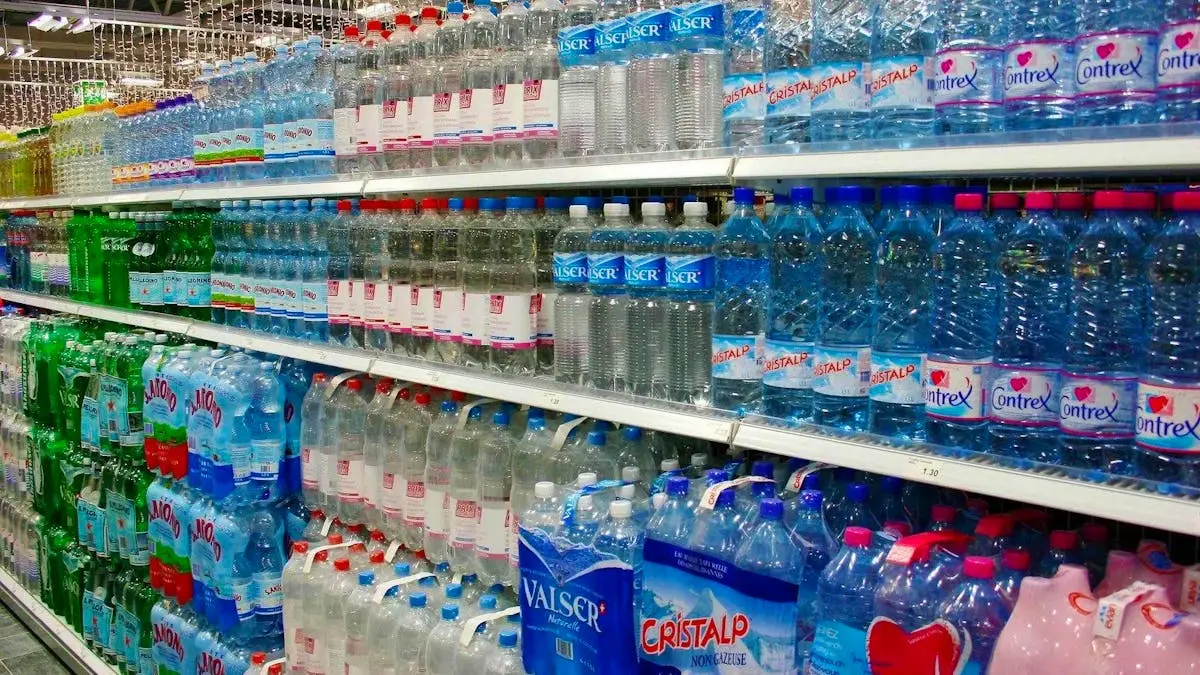
The mineral waters sold in supermarkets (Evian, Volvic, Henniez, etc.) are also acclaimed for their high mineral content, underlining the importance of this contribution to our well-being.
Limestone and water quality: what you need to know
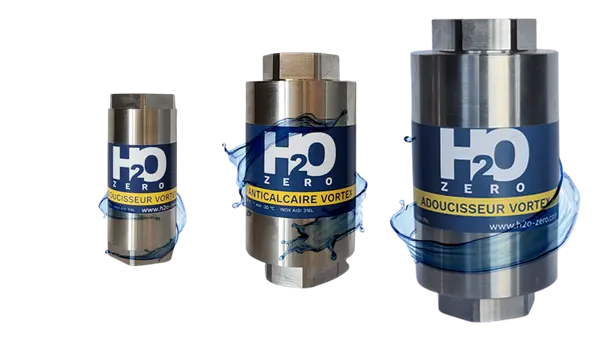
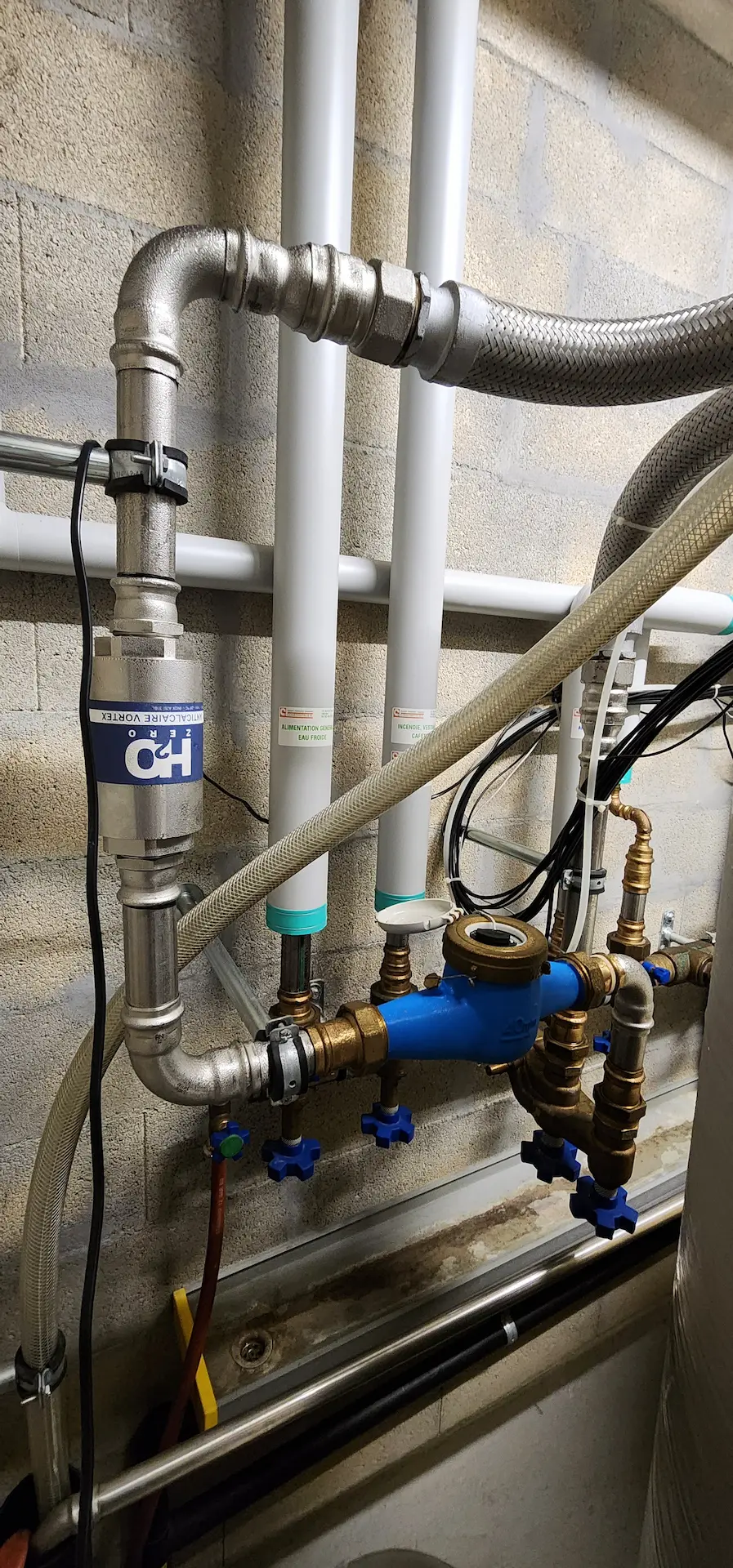
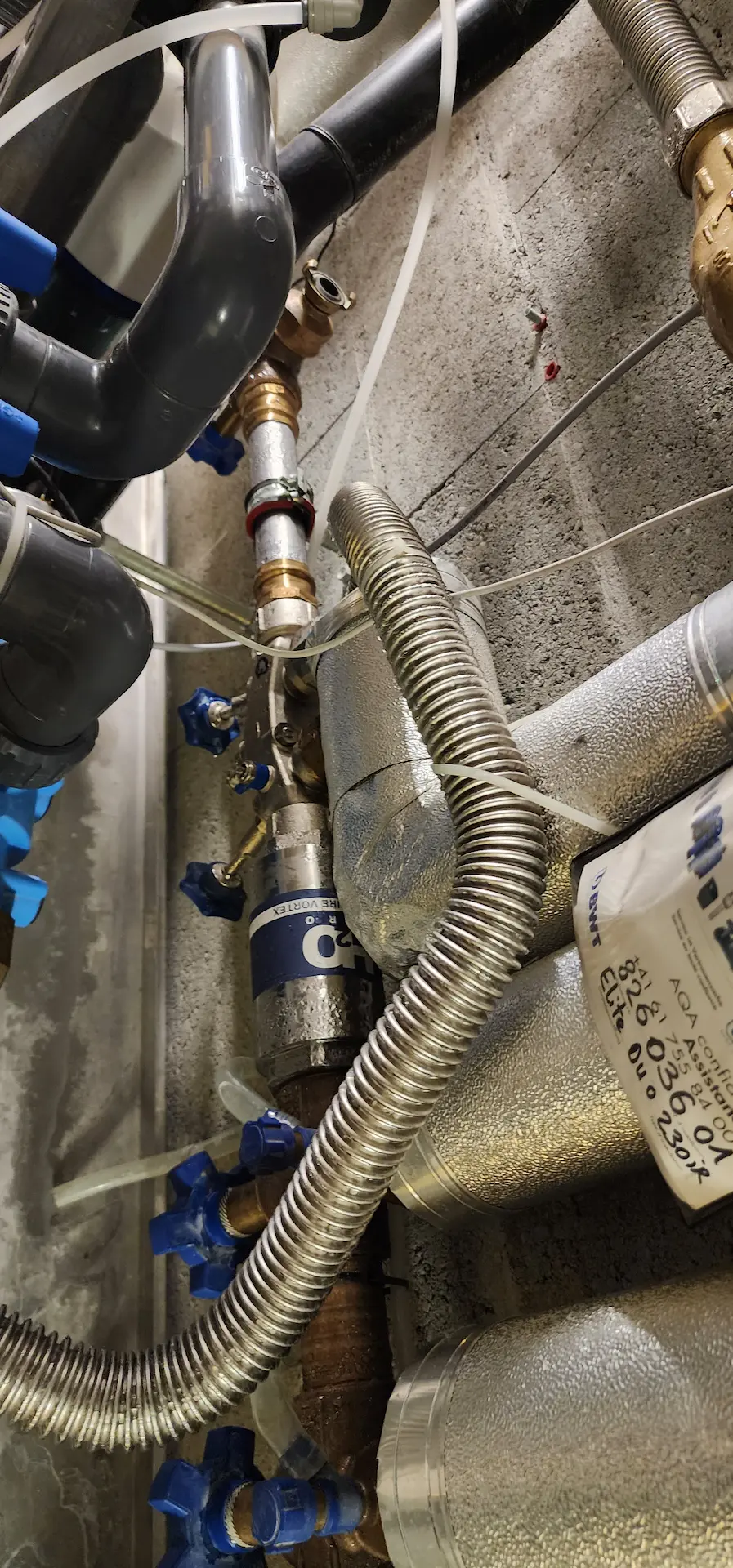
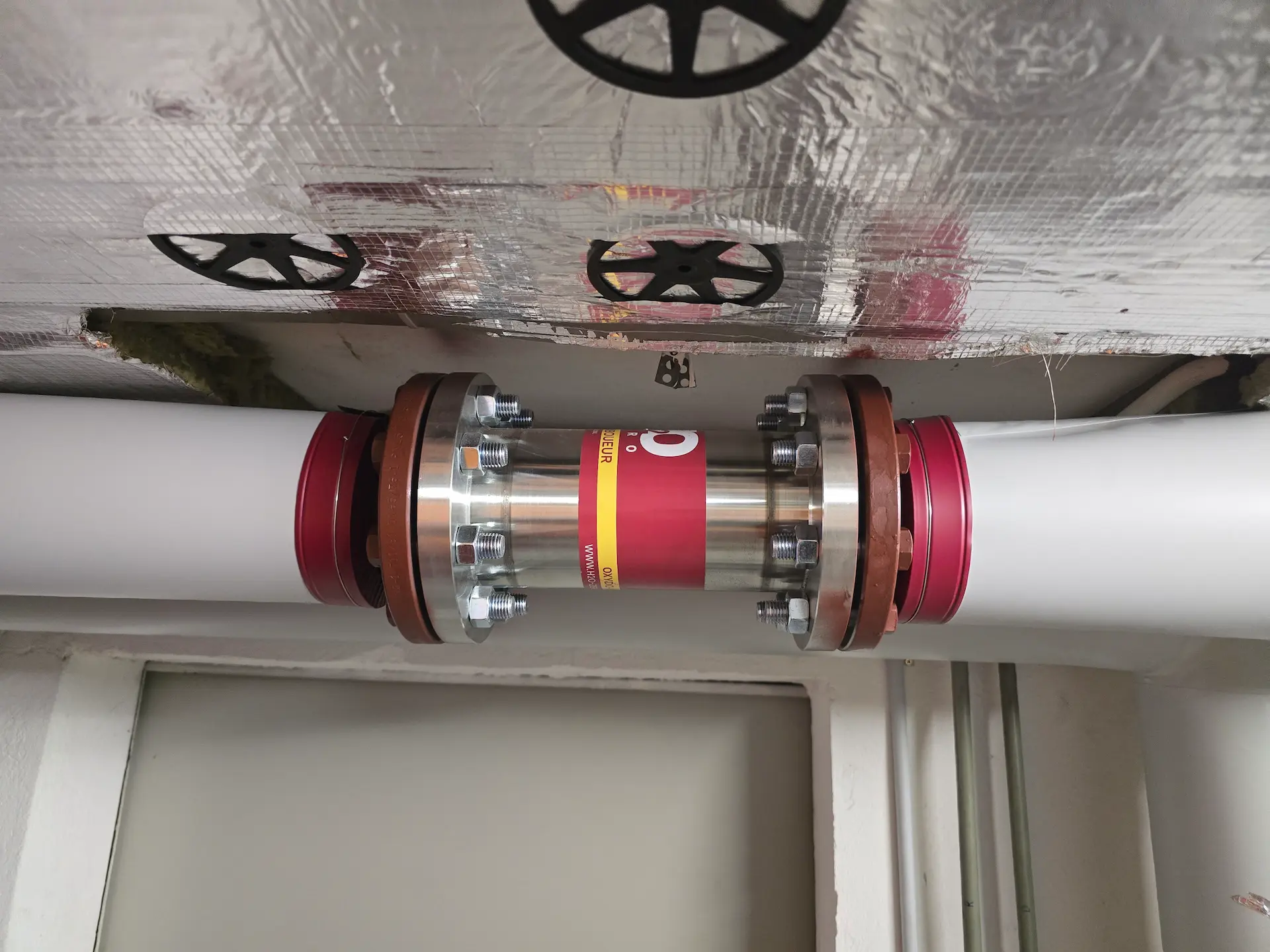
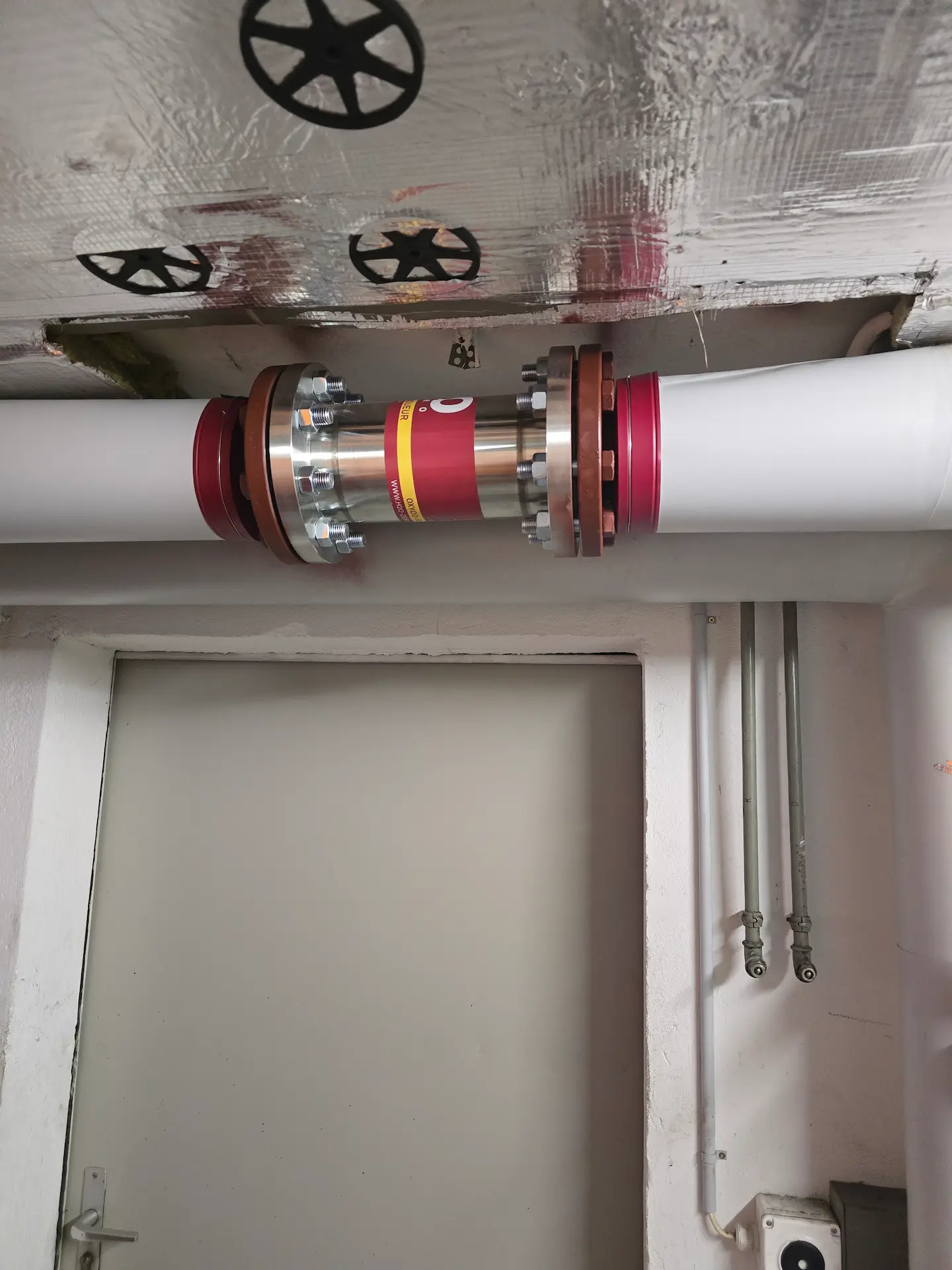
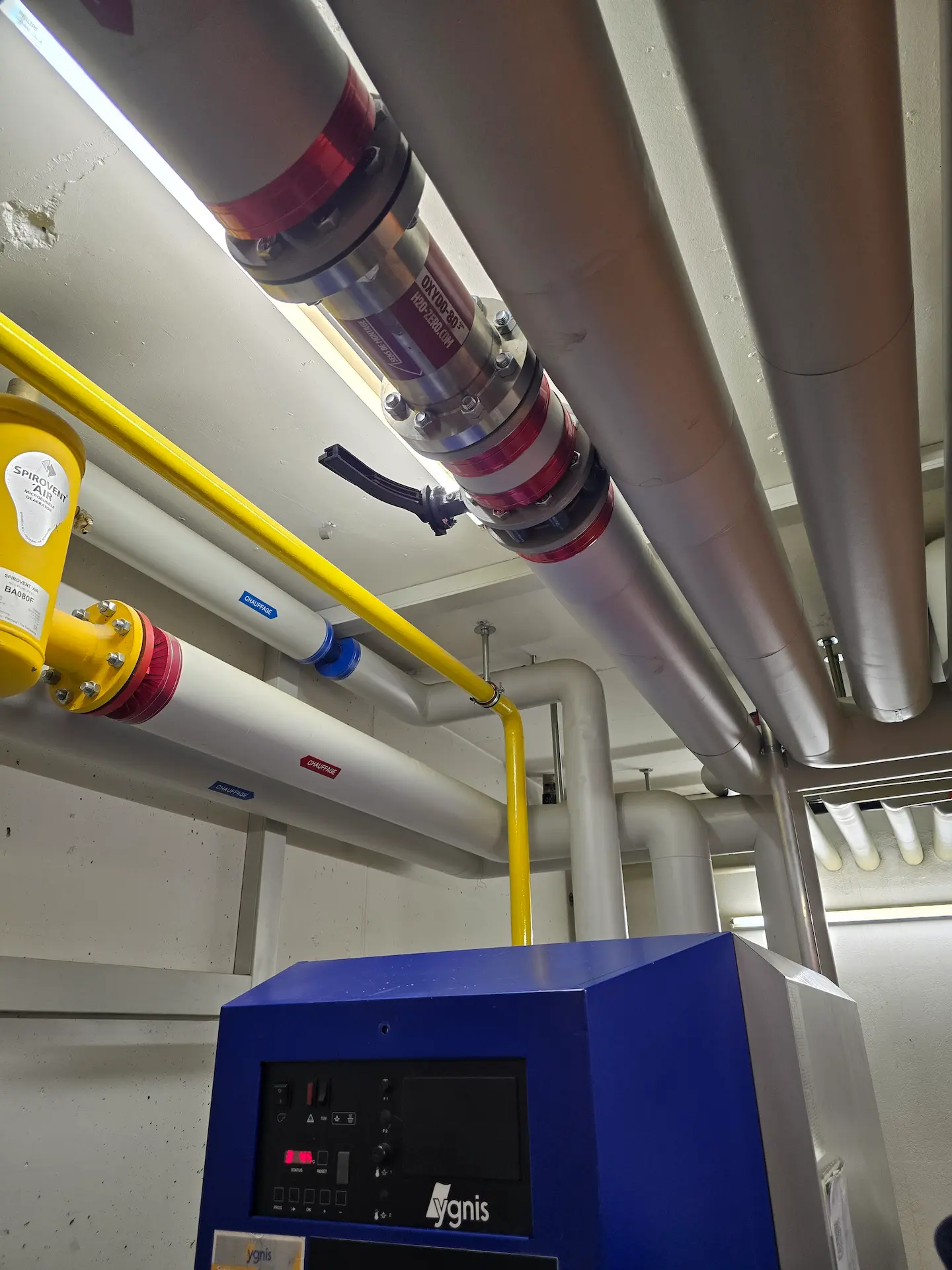
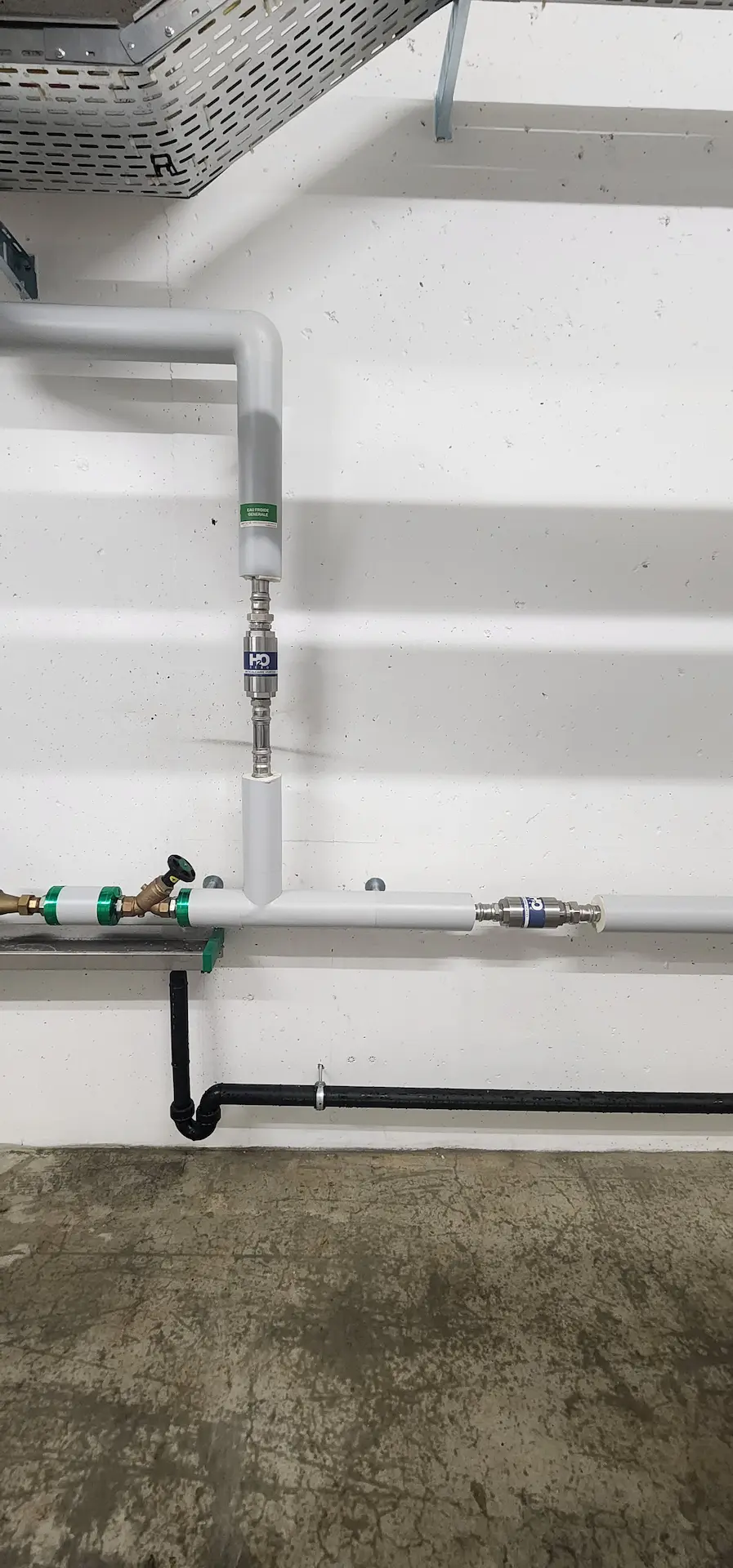
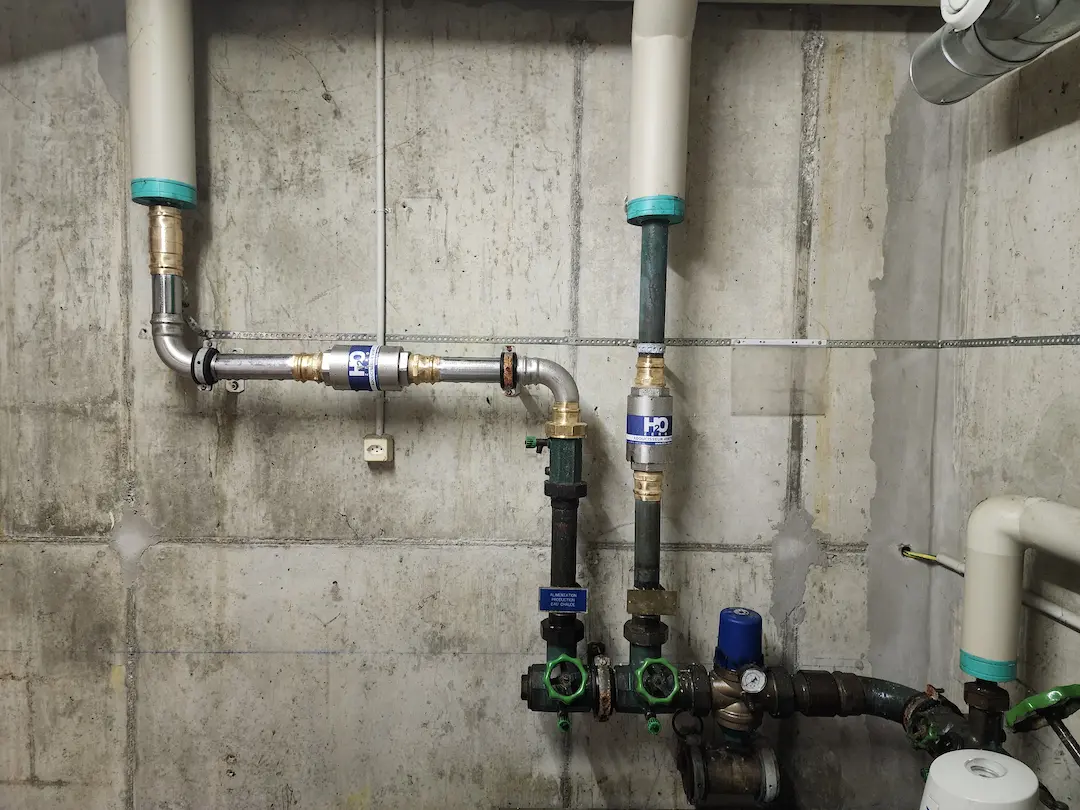
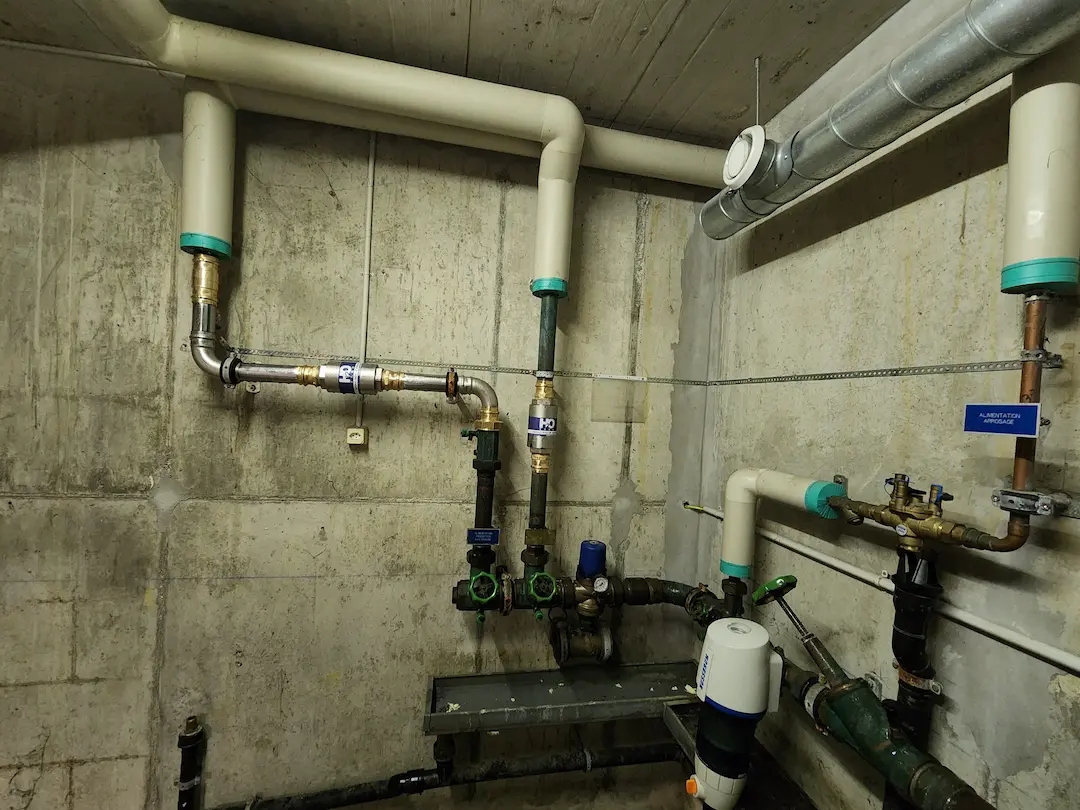
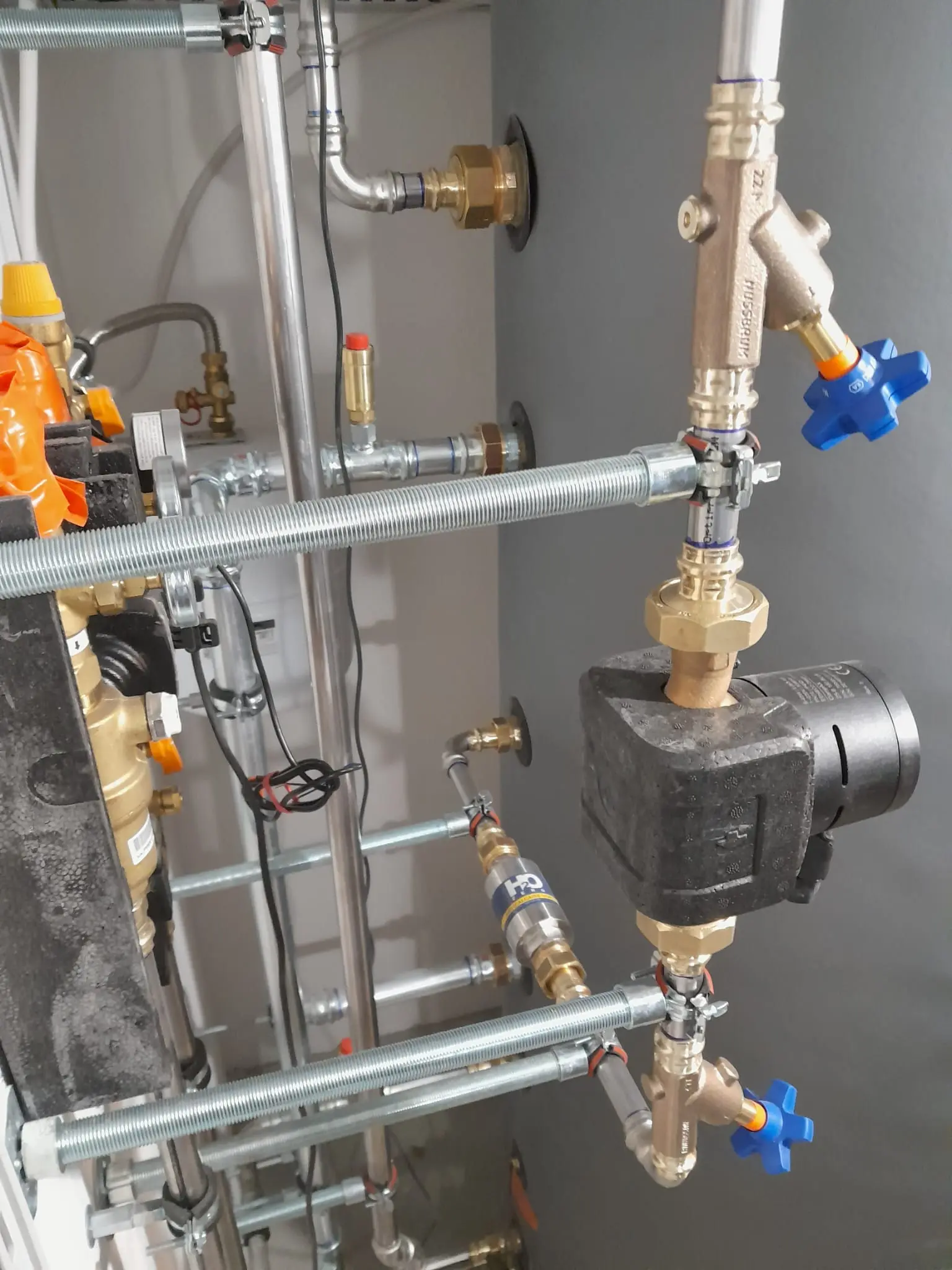
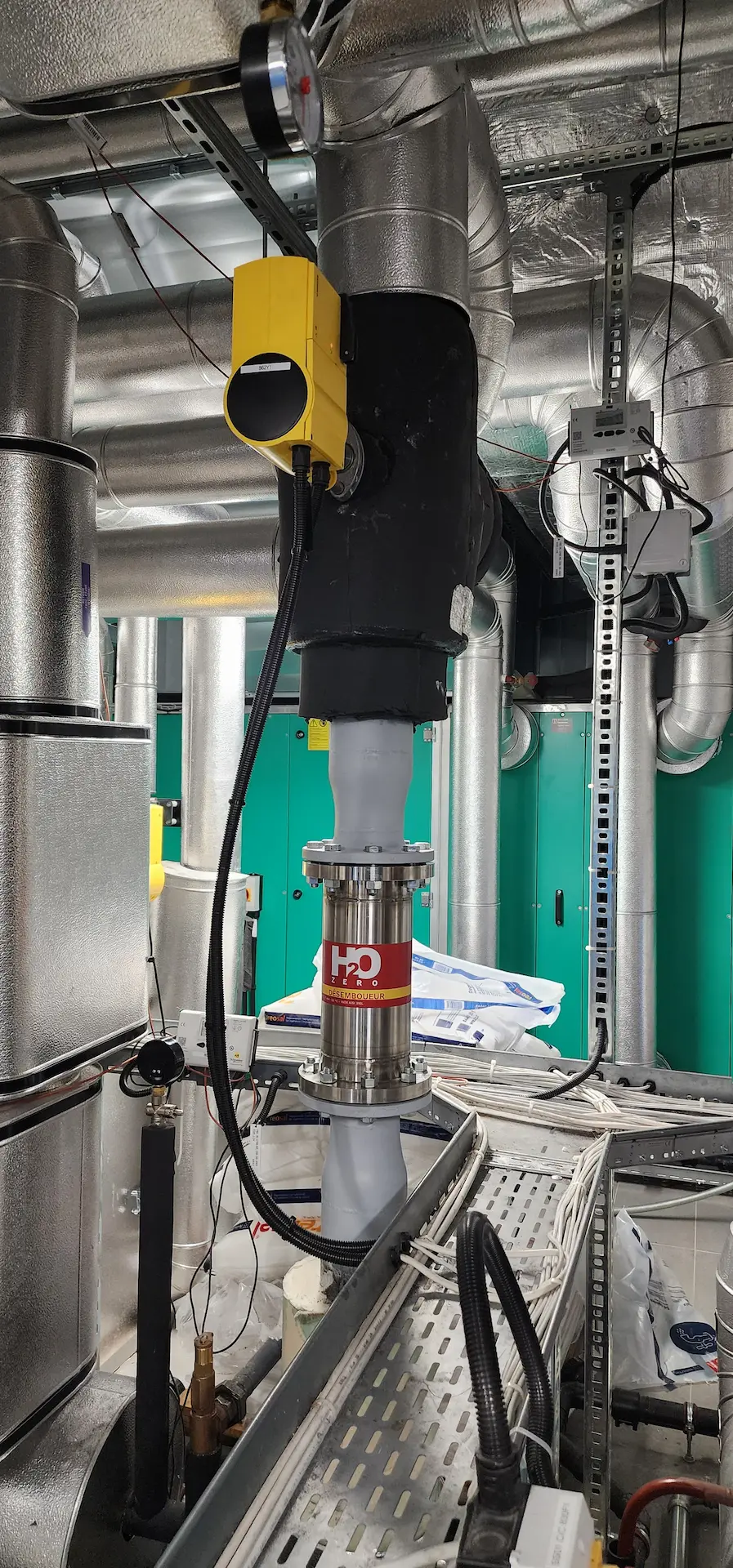
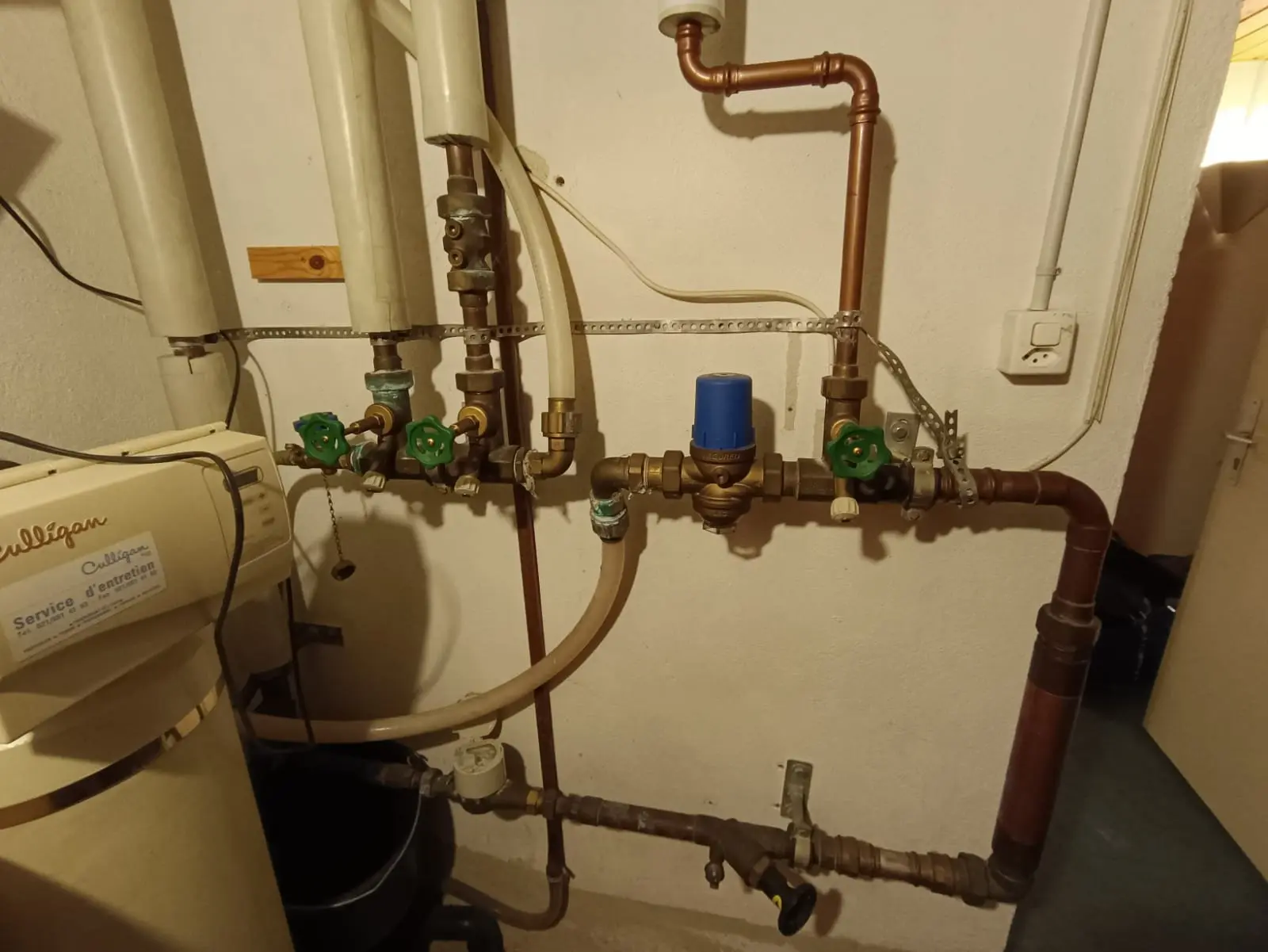
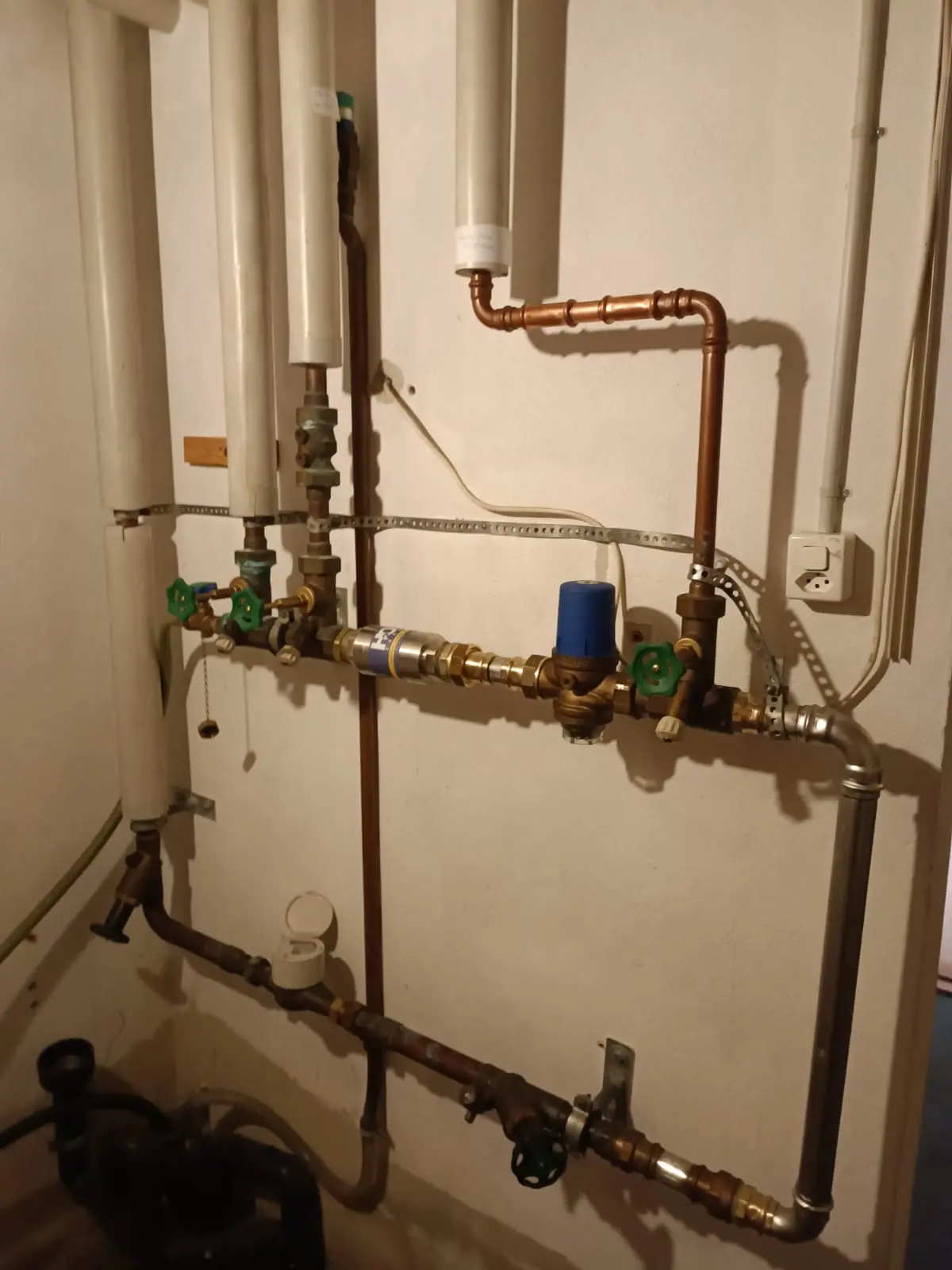
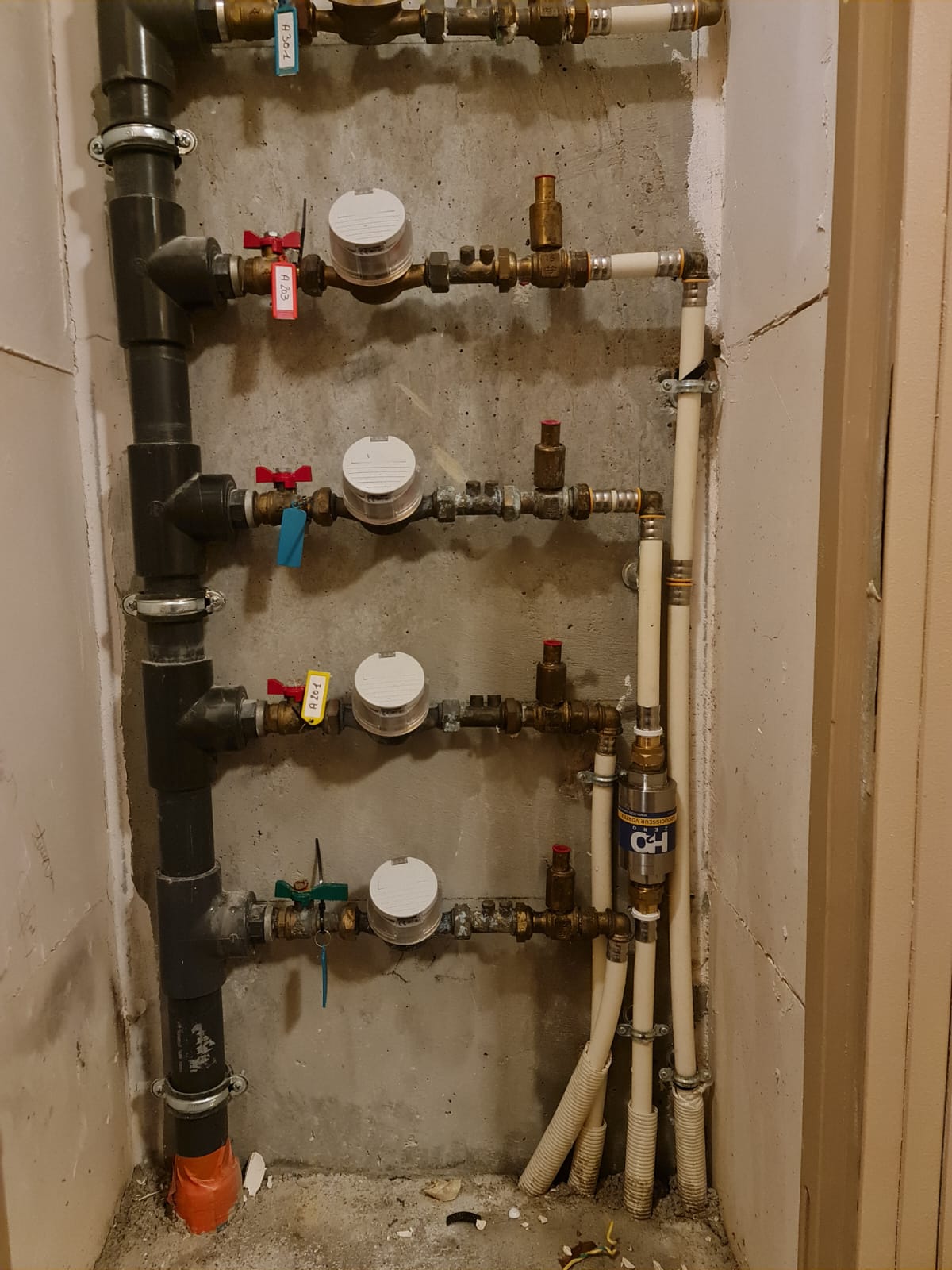
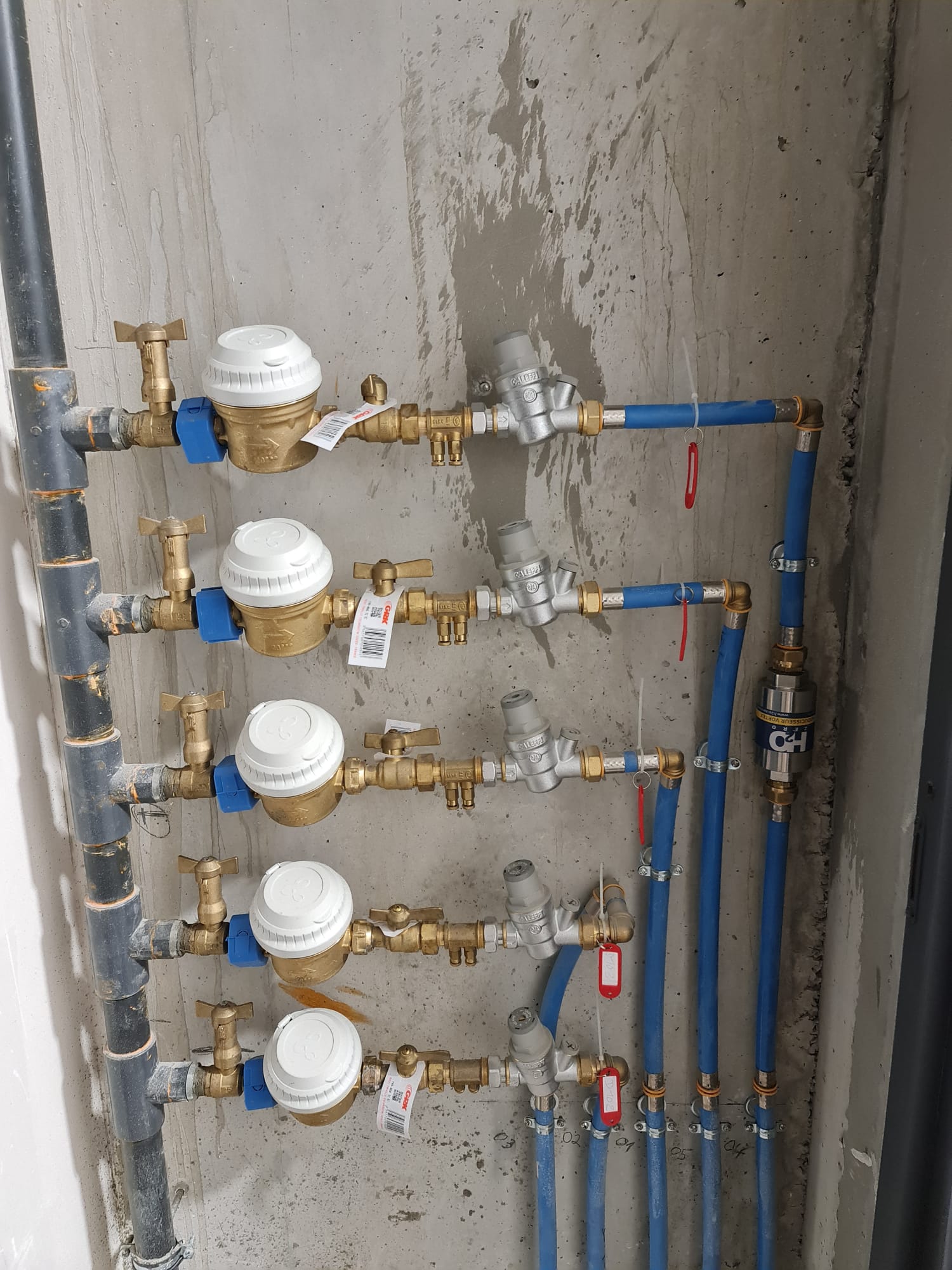
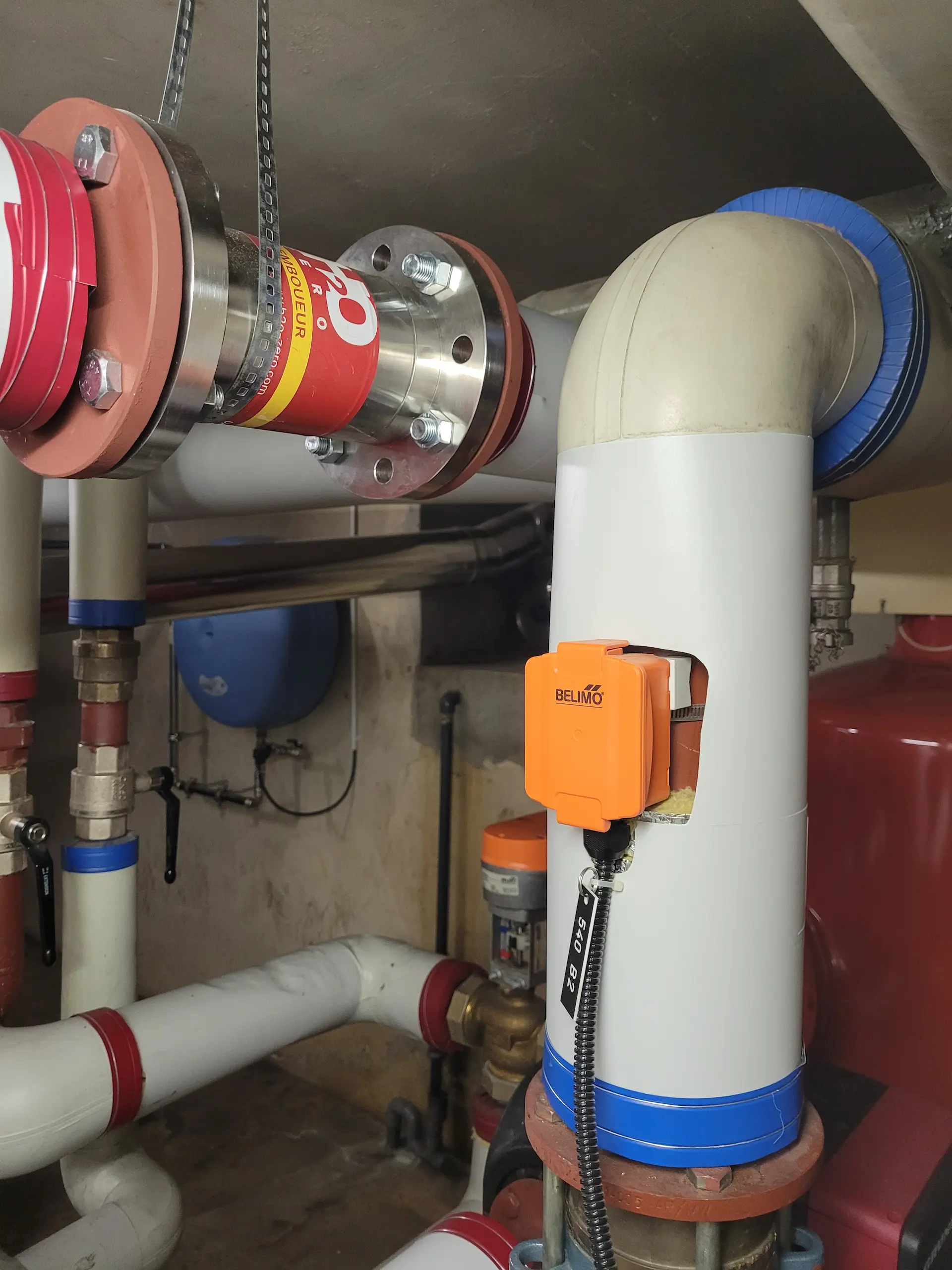
In some regions, water is naturally more calcareous. Rather than seeing this as a health problem, it's better to think of it as a nutritional advantage. However, to limit limescale deposits in installations, there are physical water treatment systems, such as vortex limescale removers. These transform particles into inert dust, without altering the mineral quality of the water.
The H2O ZERO solution: healthy water without the inconvenience of limescale
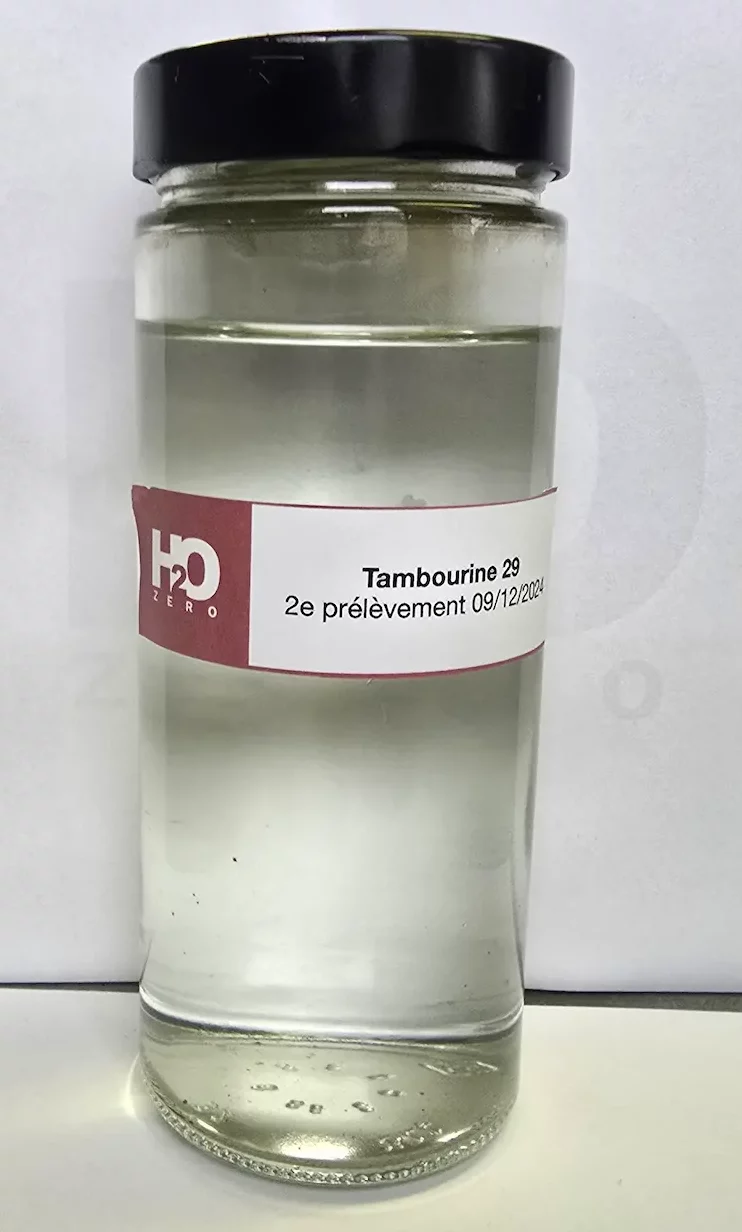
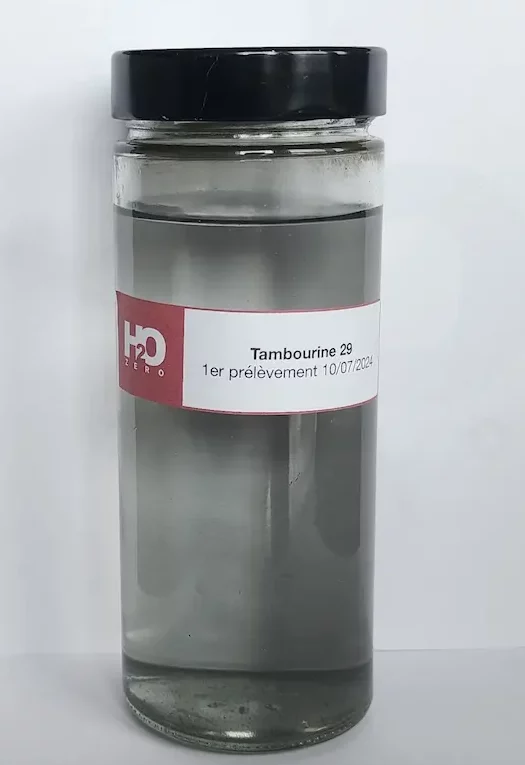
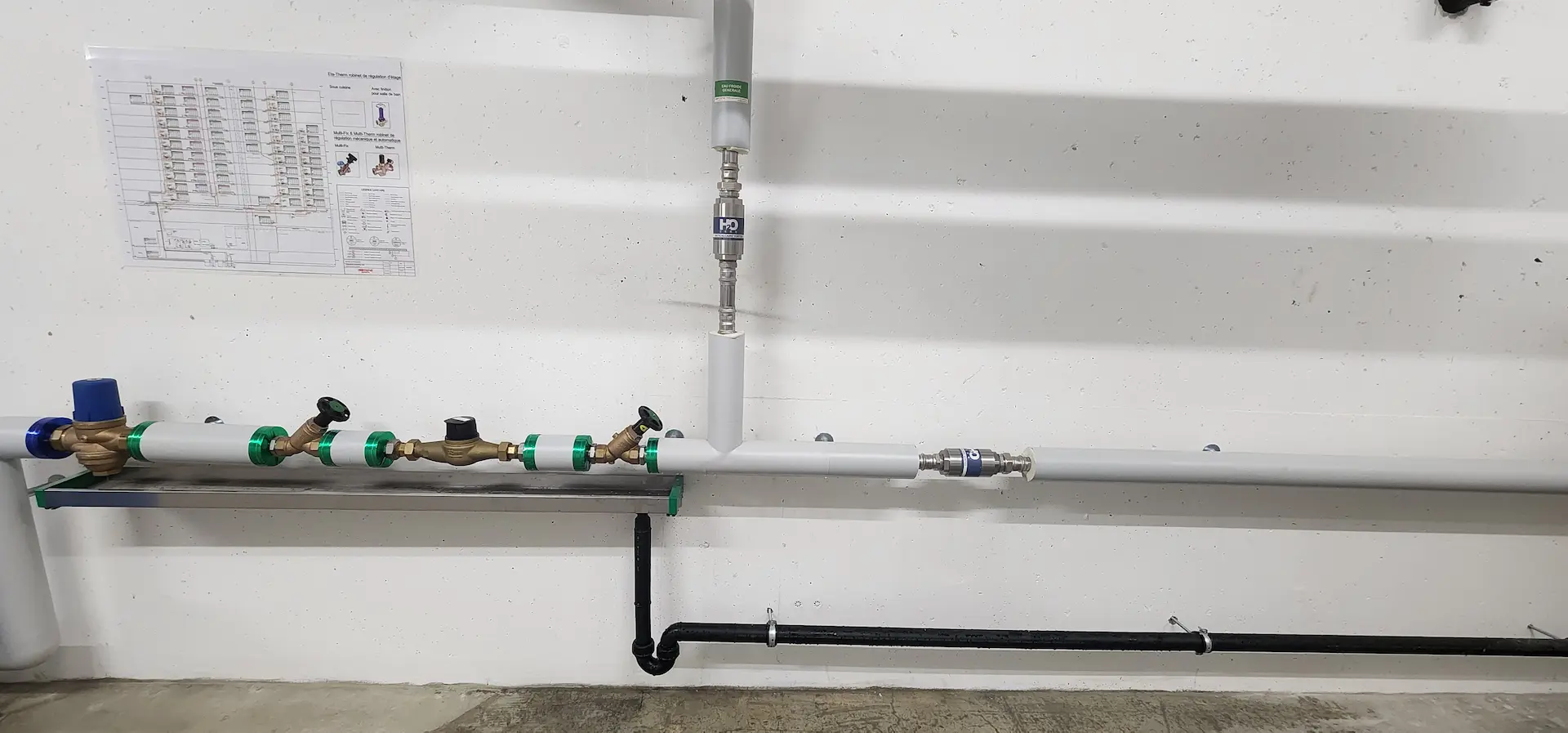
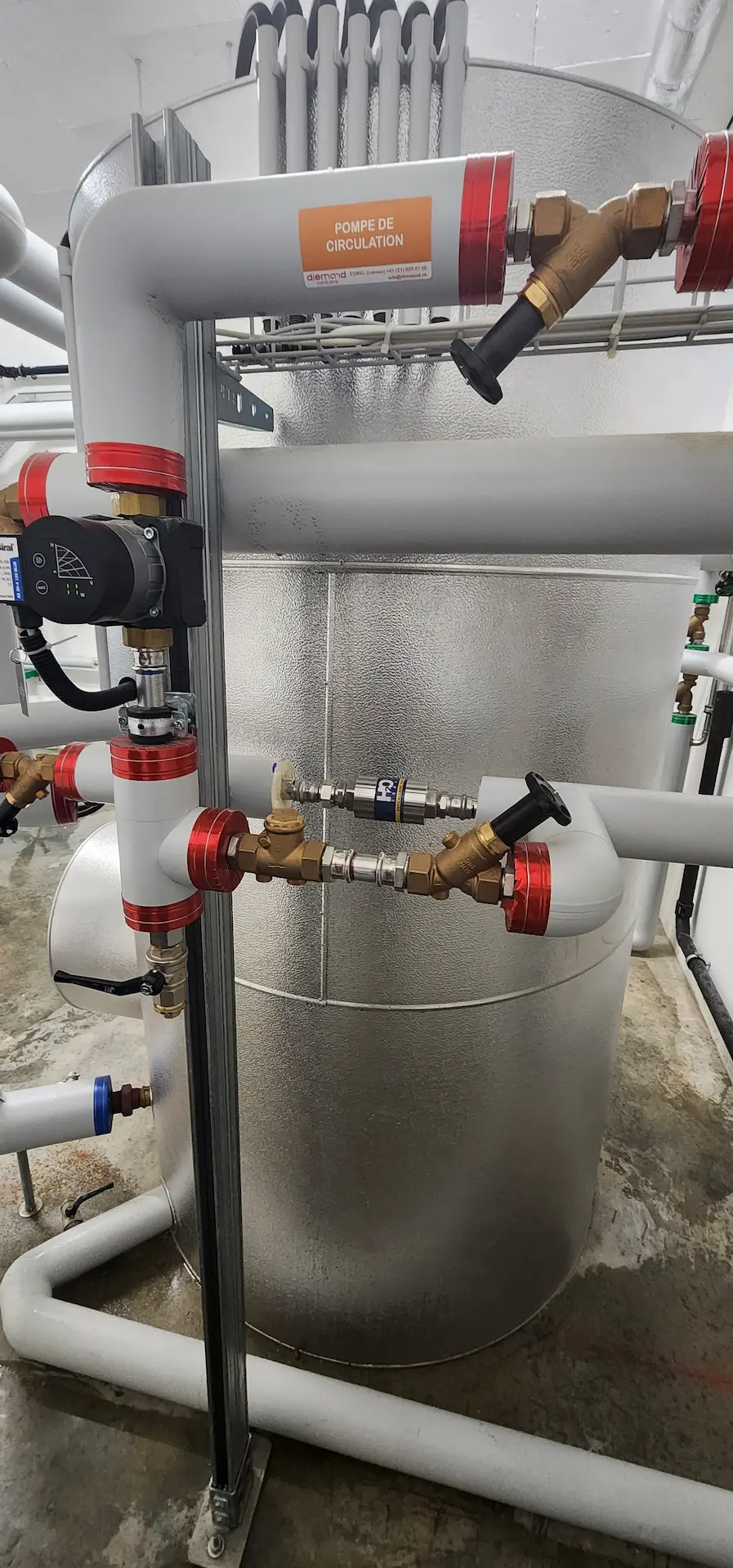
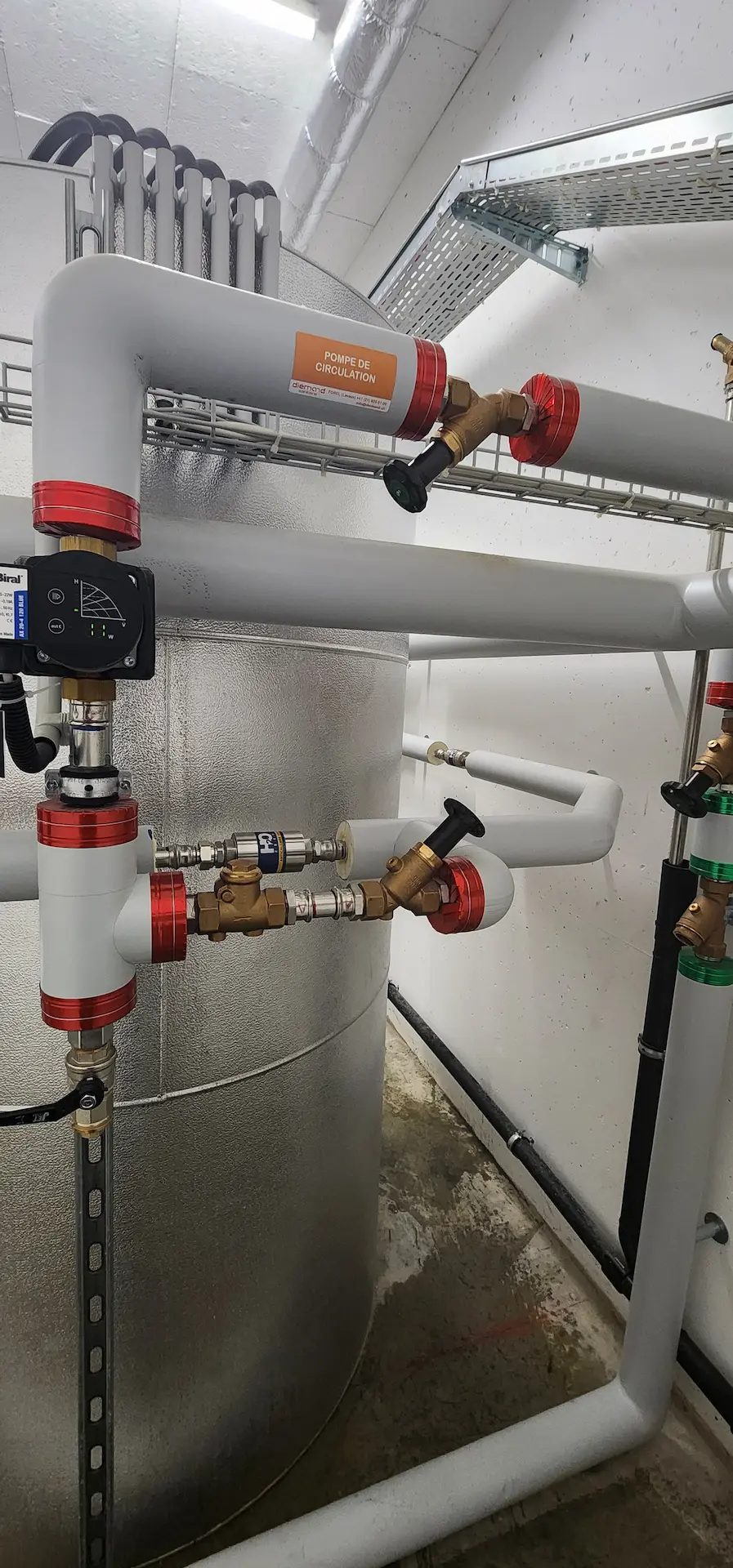
The H2O ZERO solution effectively reduces limescale deposits without removing essential water minerals such as calcium and magnesium. This system transforms limescale into inert particles, preserving water quality while protecting your installations from the effects of limescale.
100% Customer satisfaction
Still not sure which anti-scale system to choose? Read our satisfied customers' testimonials!
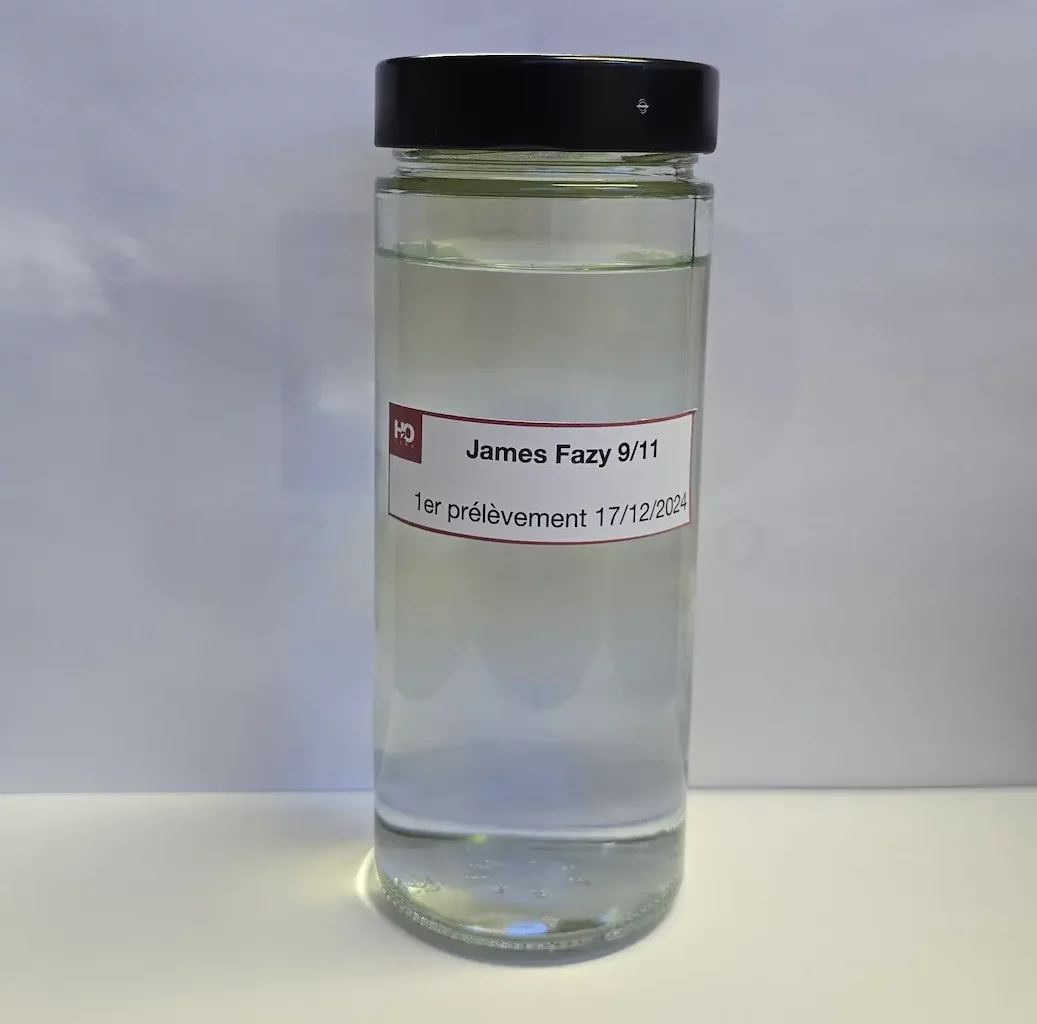
After each installation, we carry out a follow-up to observe the results obtained. Join our community of convinced users!
F.A.Q. - Limescale and health: frequently asked questions
1. Is limescale in water dangerous to health?
No, it's not dangerous. Lime provides calcium and magnesium, which are good for the body.
2. Can you drink hard water every day?
Yes, hard water can be consumed on a daily basis, unless specific medical advice is given to the contrary.
3. Does limestone cause kidney stones?
No, scientific studies show that drinking hard water does not increase the risk of kidney stones.
4. How can I reduce limescale deposits in my home?
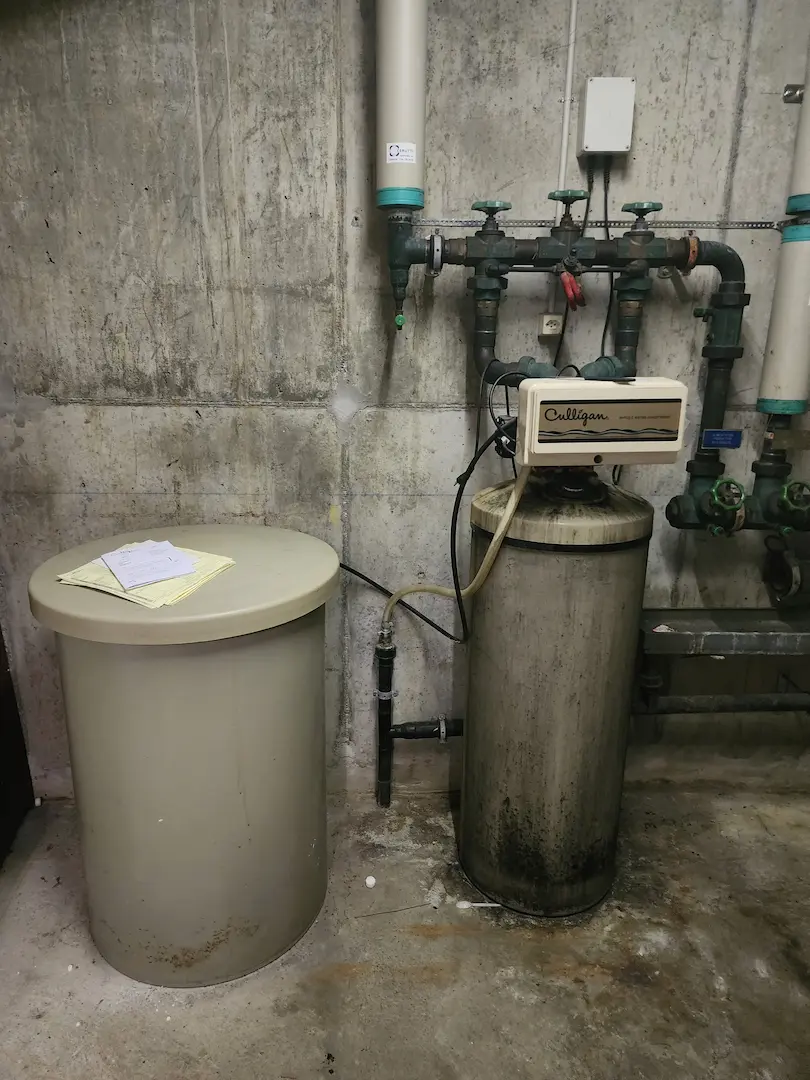
Use a physical anti-scale system (vortex, softener) to reduce deposits without affecting water quality.
5. Is filtered water better than hard water?
Filtering water eliminates certain particles, but can also reduce the intake of essential minerals. Unpolluted, hard water is healthy.
Would you like a quote?