Softened water: can you drink it? Yes, but...
Everything you need to know about the risks of sodium
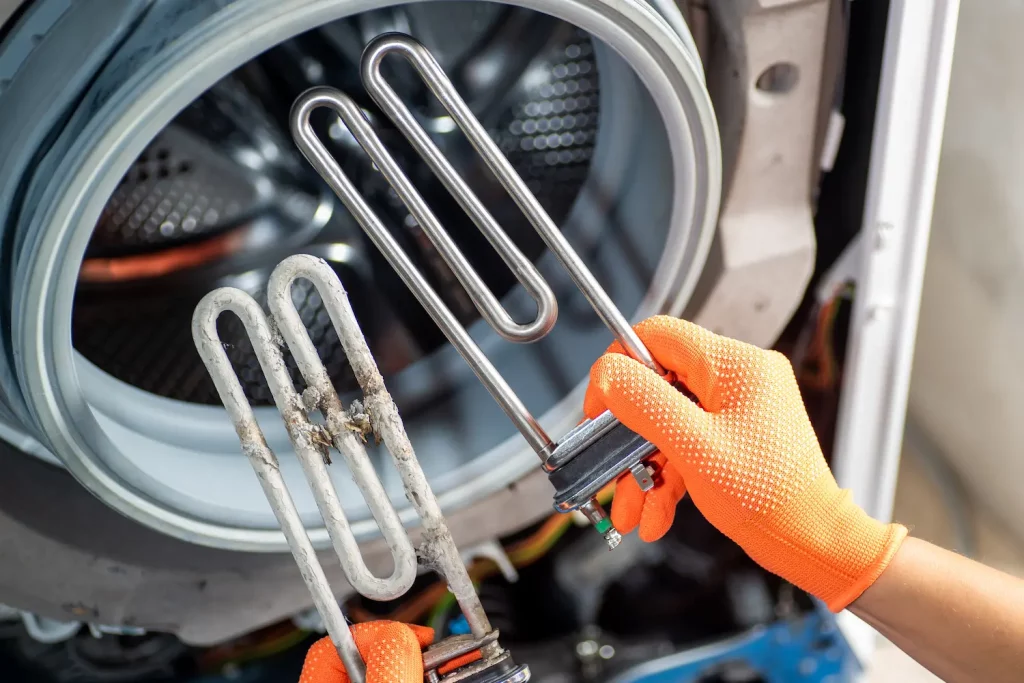
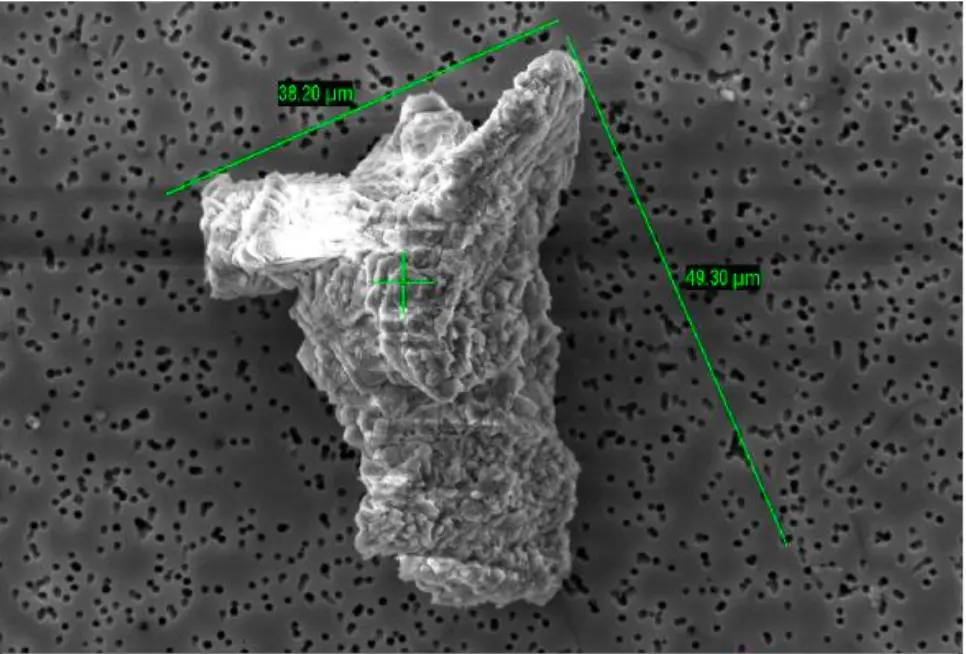
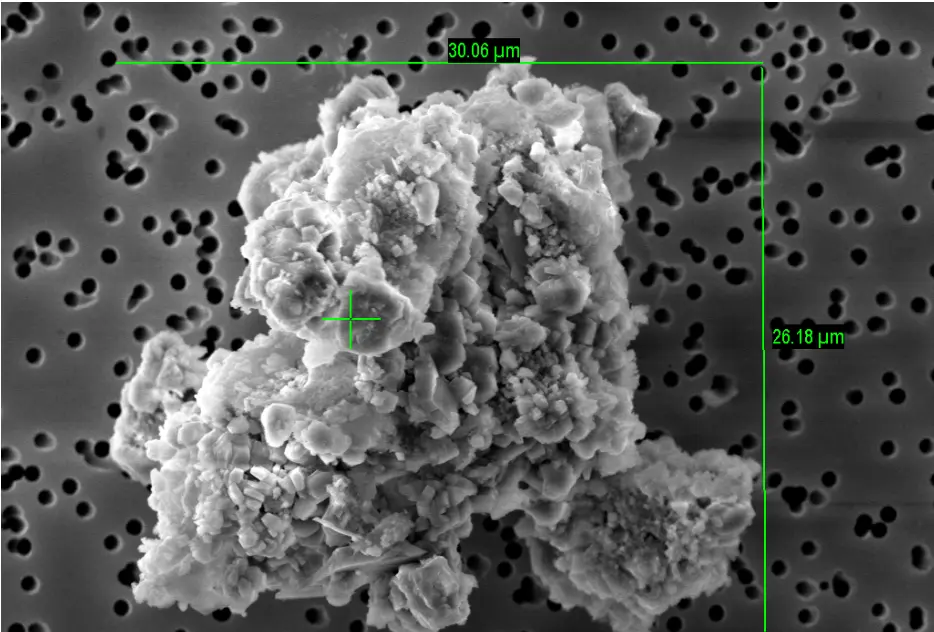
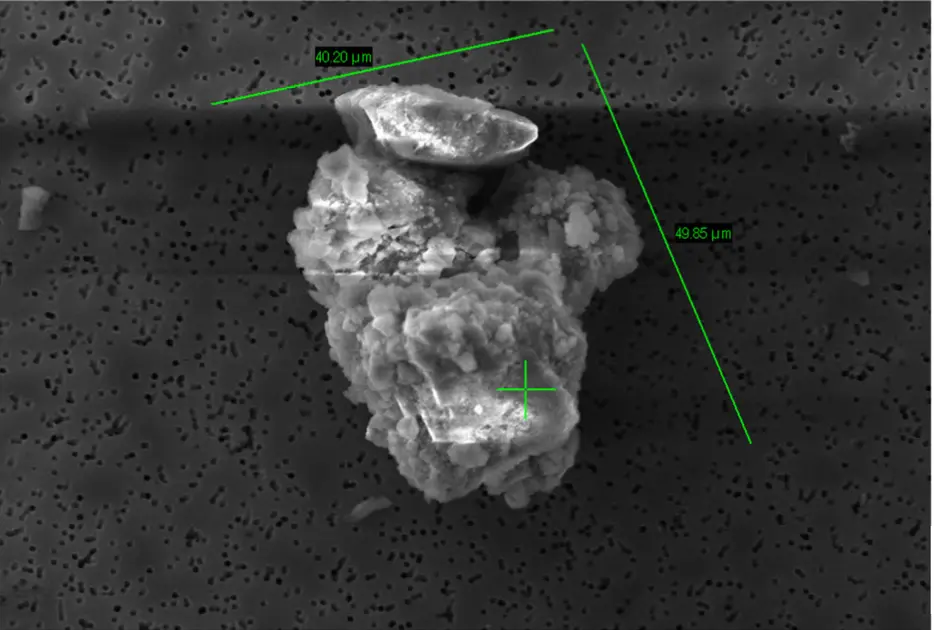
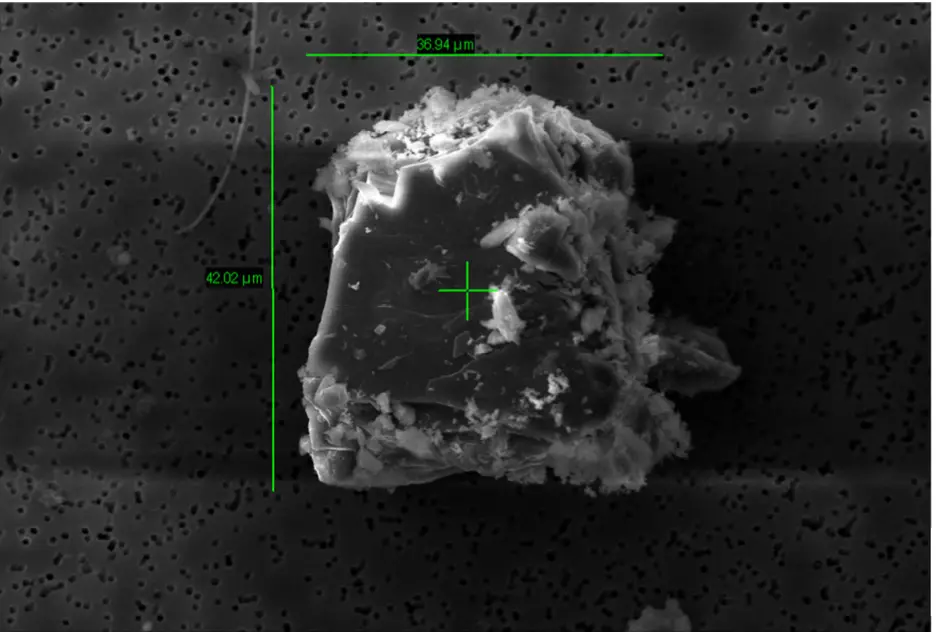
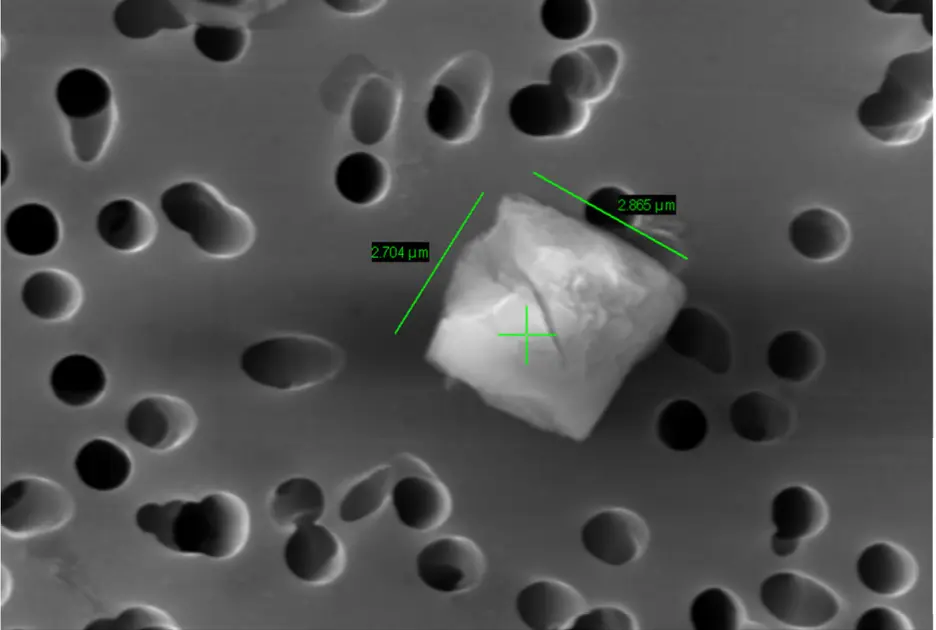
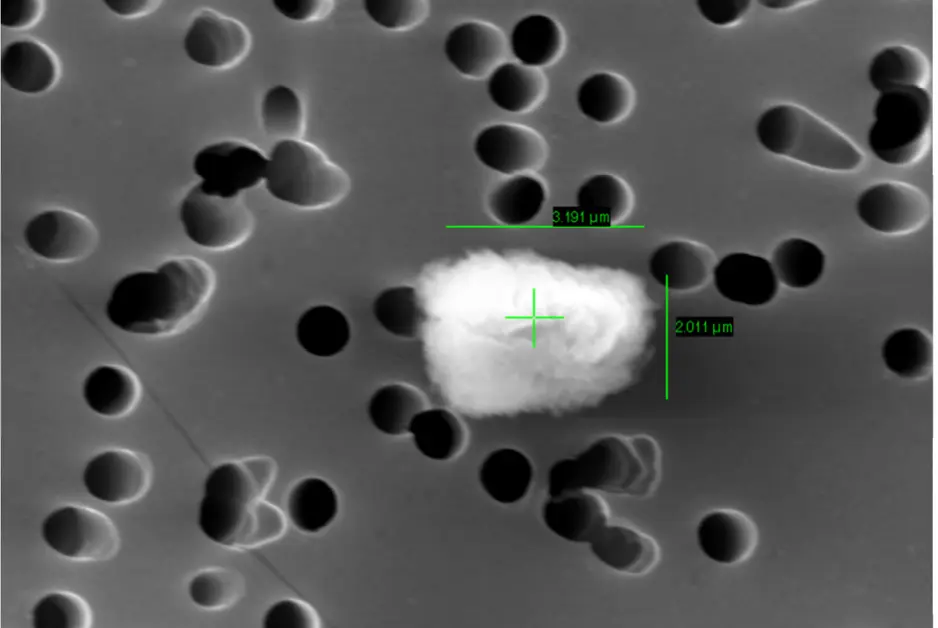
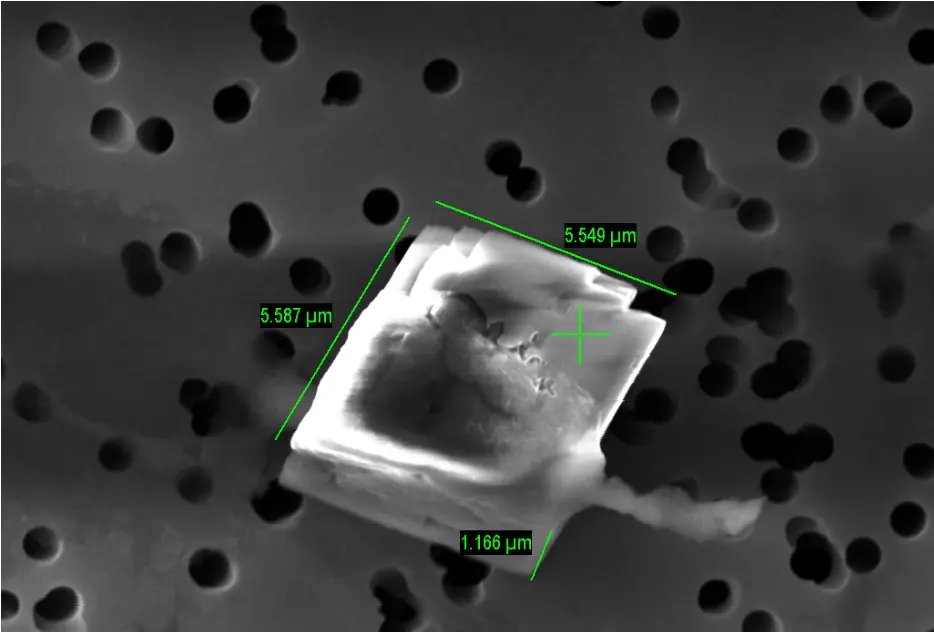
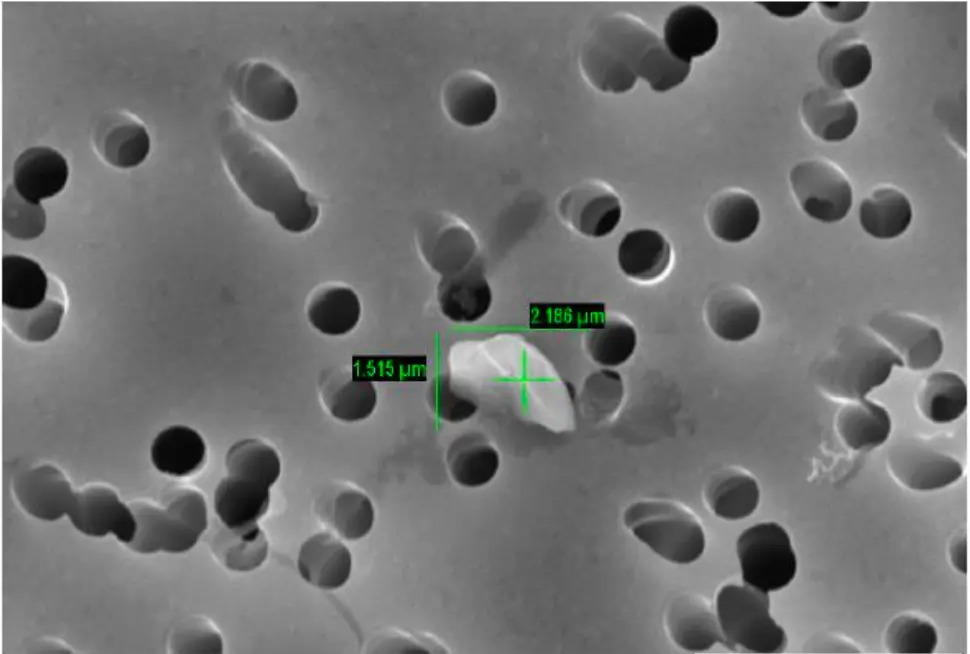
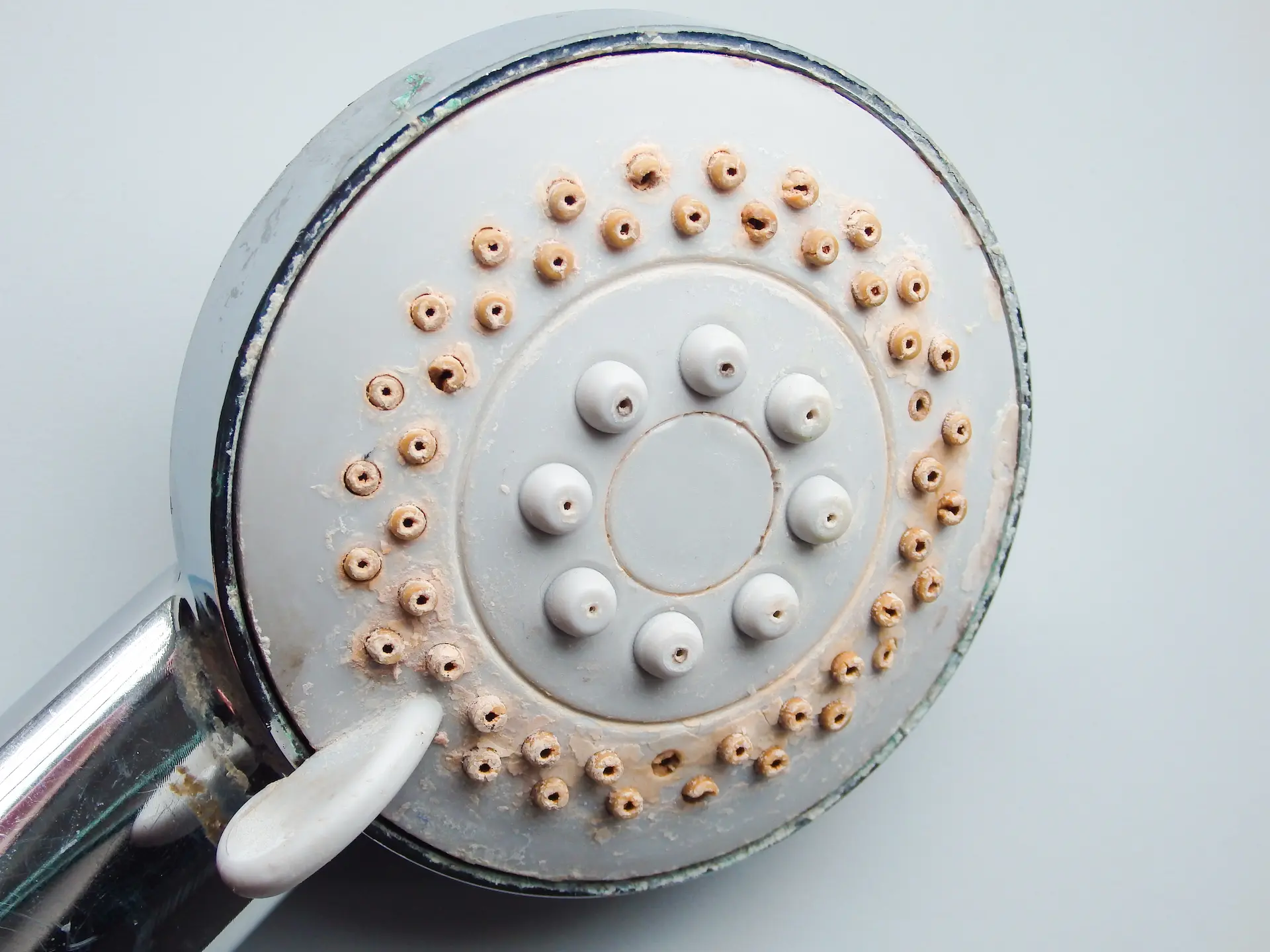
The harmful effects of limescale
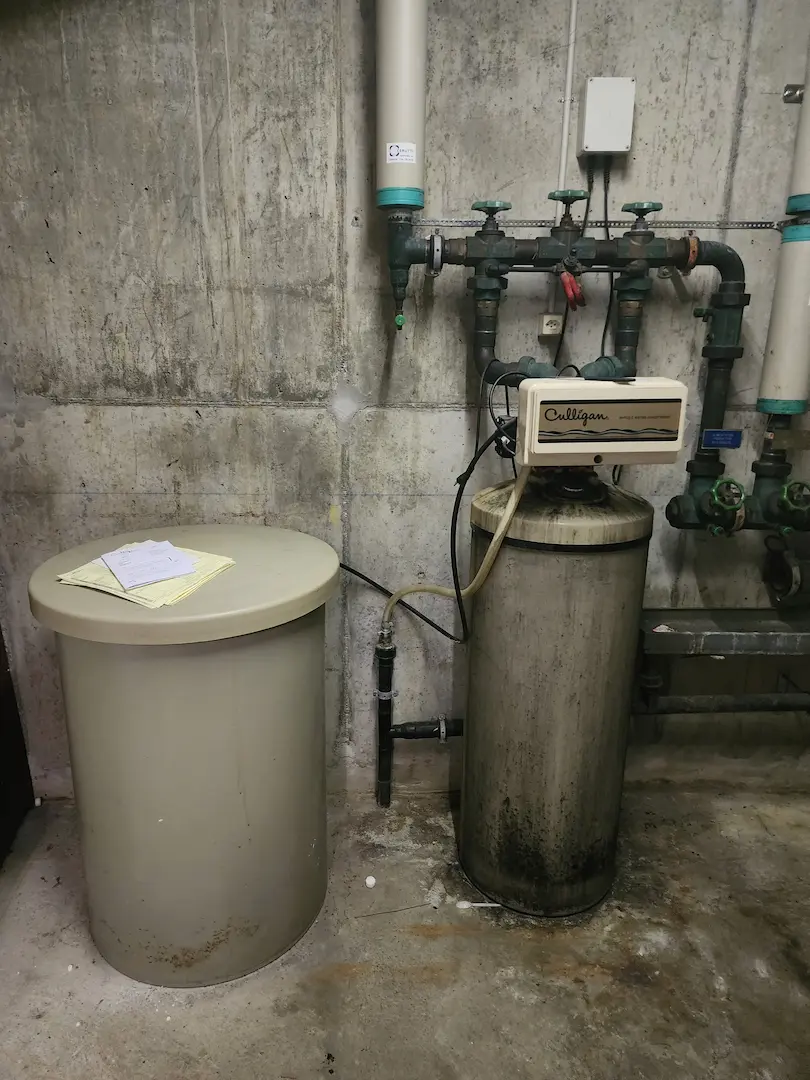
Softened water, obtained using a water softener, has become commonplace in many homes. It helps combat limescale and prolongs the life of our household appliances. But is this water safe to drink? This is a question many people ask themselves.
What is softened water?
Softened water is water whose hardness has been reduced. In other words, the amount of minerals such as calcium and magnesium, which are responsible for the formation of limescale, has been eliminated or at least reduced.
The effects of softening on sodium content
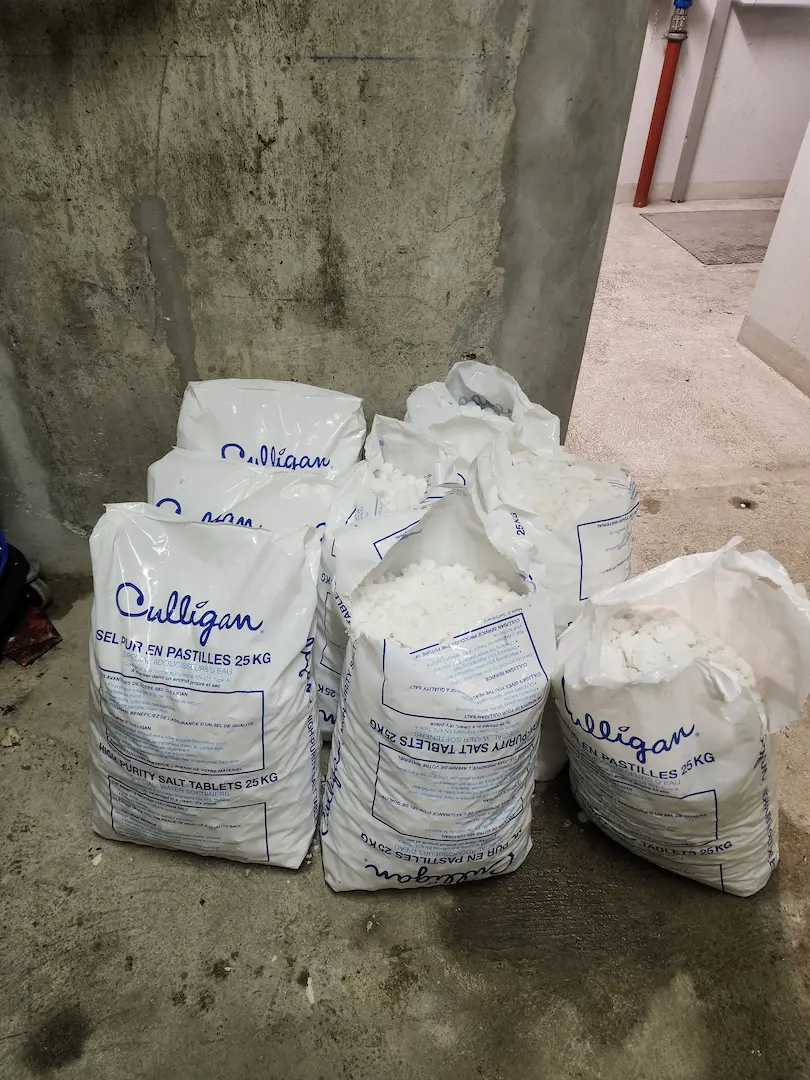
The harder your water is and the more it needs to be softened, the higher the sodium content in your drinking water will be. This is because the more minerals there are to remove from your raw water, the more salt will be used and therefore the more sodium residue there will be.
Very soft
8°F
0 mg sodium
s per liter of water
Sweet
15°F
32.2 mg of sodium
s per liter of water
Moderately hard
25°F
78.2 mg of sodium
s per liter of water
rather hard
32°F
110.4 mg of sodium
s per liter of water
hard
42°F
156.4 mg of sodium
s per liter of water
very hard
50°F
193.2 mg of sodium
s per liter of water
For example, if your raw water is at 25° French, after softening, your softened water will contain 78.2 mg of residual sodium per liter of water.
Why is sodium a problem?
Excessive sodium intake can have harmful effects on health, particularly for people with high blood pressure, heart failure, or kidney disease.
Can you drink softened water?
Yes, you can drink softened water, but it is important to consider the sodium content. The World Health Organization (WHO) recommends limiting sodium intake. Therefore, it is not advisable to drink softened water on a regular basis, especiallyfor vulnerable individuals such as babies, pregnant women, the elderly, people with high blood pressure, and heart patients.
What are the alternatives?
If you want to enjoy soft water without the drawbacks of sodium, there are several solutions available to you:
- The osmosis unit: It removes a large proportion of minerals, including sodium, from the water.
- Water filters: Some water filters can slightly reduce sodium content, but their effectiveness is limited.
- Bottled water: If you want water with low mineral content, you can opt for bottled water.
Conclusion
Softened water has undeniable advantages in protecting your installations, but it can increase the sodium content of your drinking water. It is therefore important to weigh up the benefits and risks before choosing this solution. If you want to reduce your sodium intake, it is better to opt for alternatives such as reverse osmosis.
Our solution
Before


After


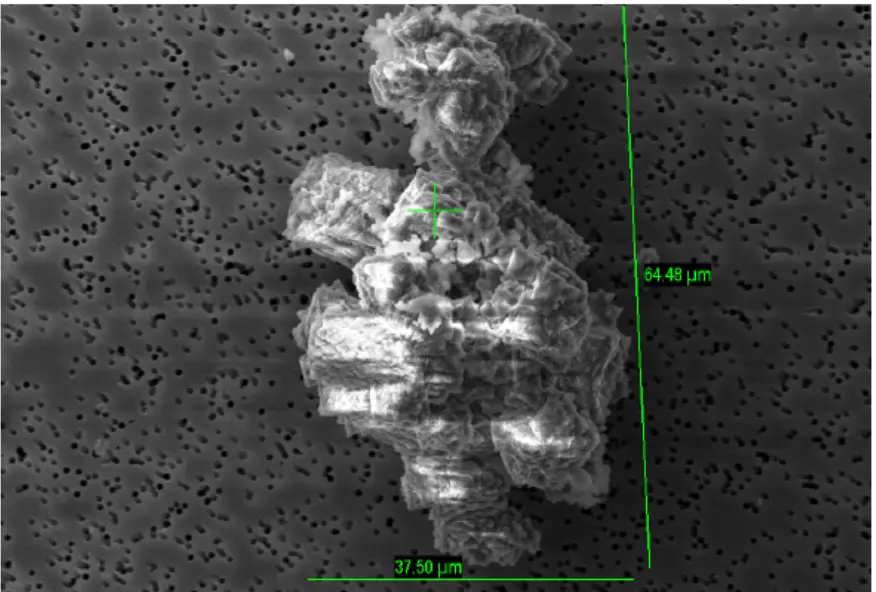
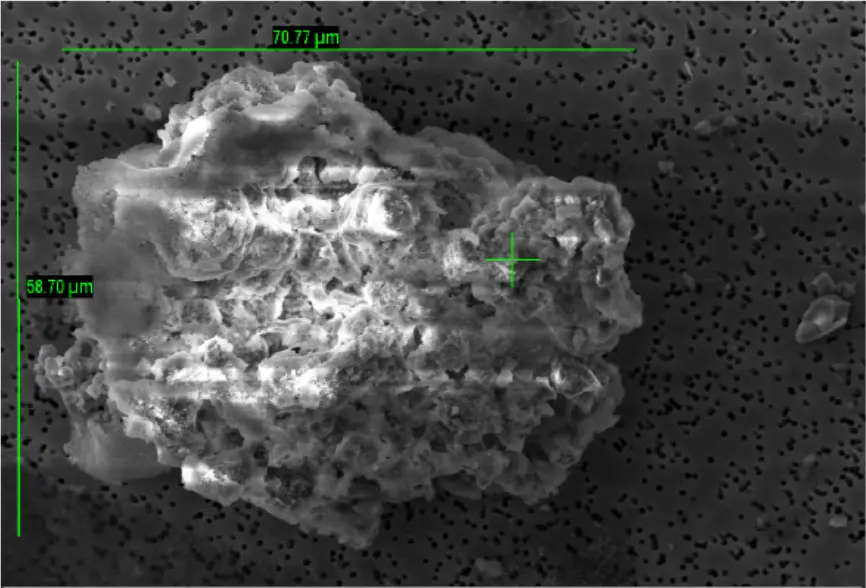
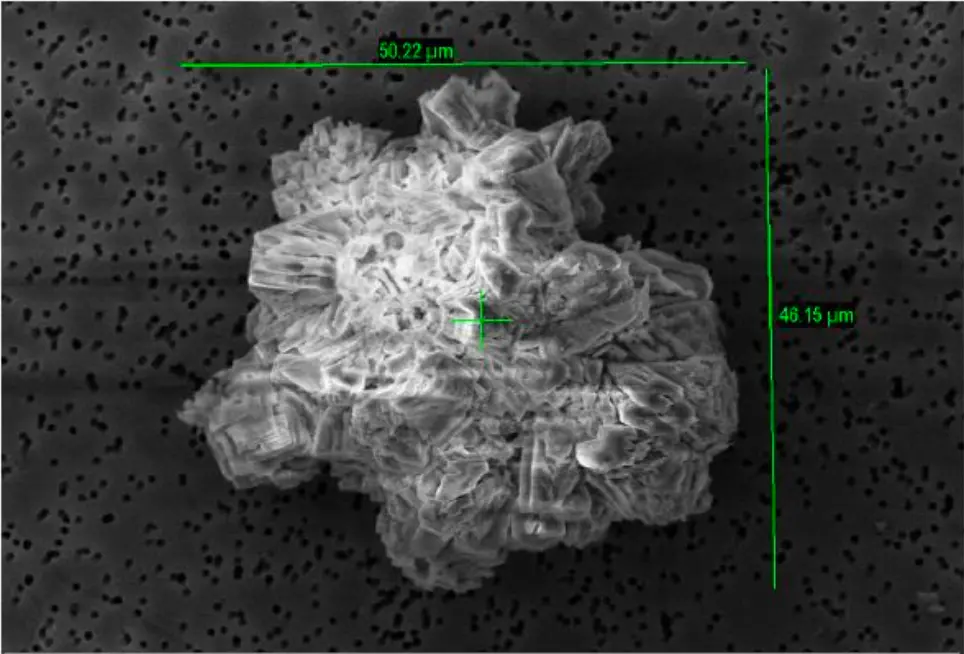
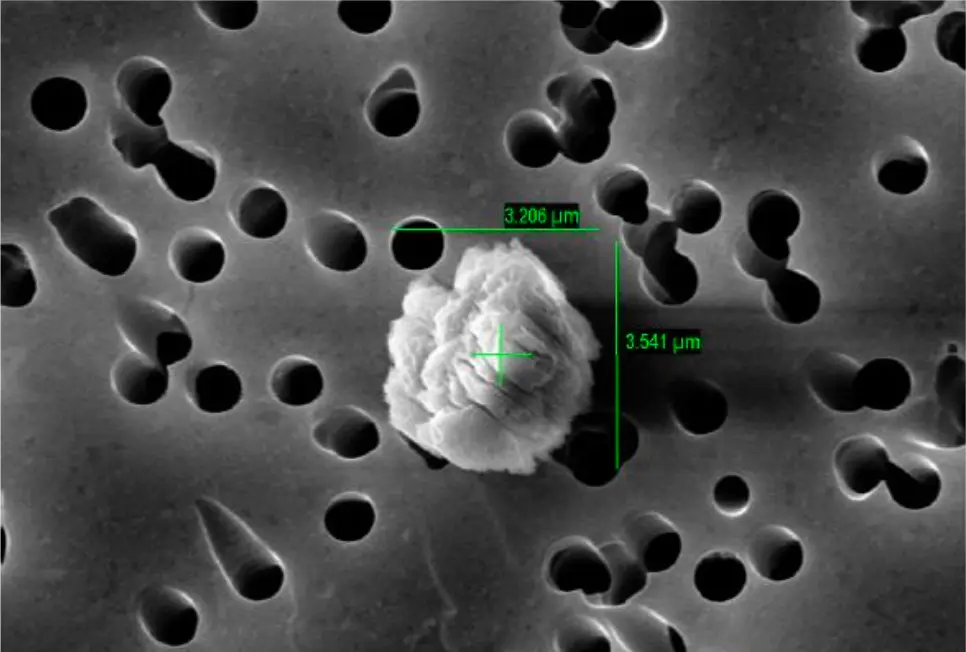
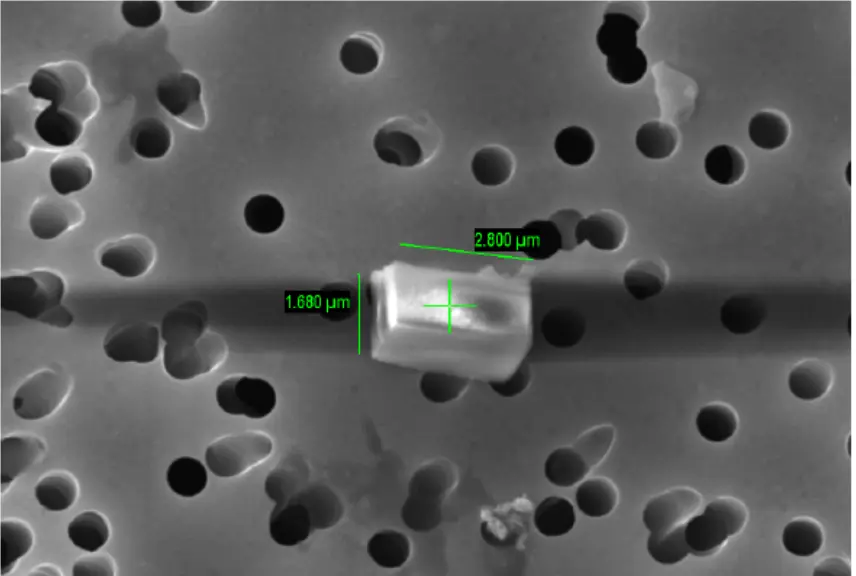
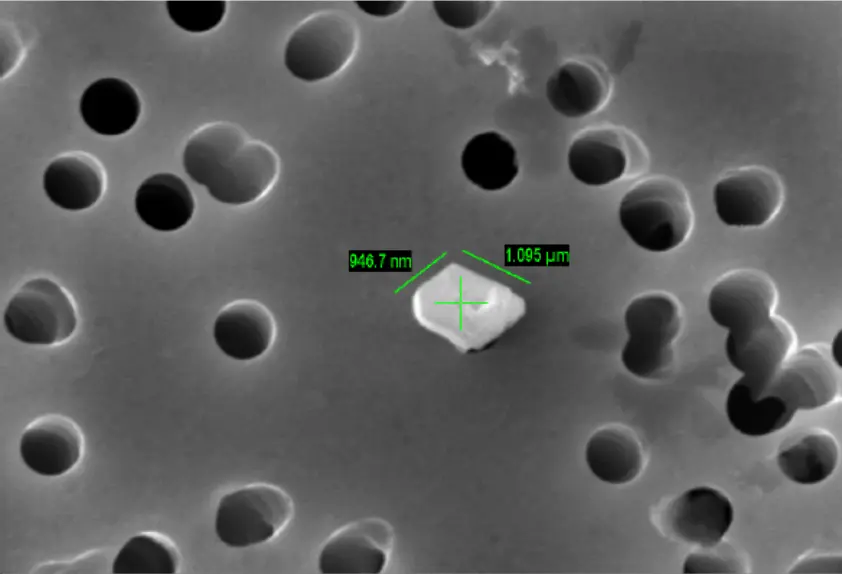
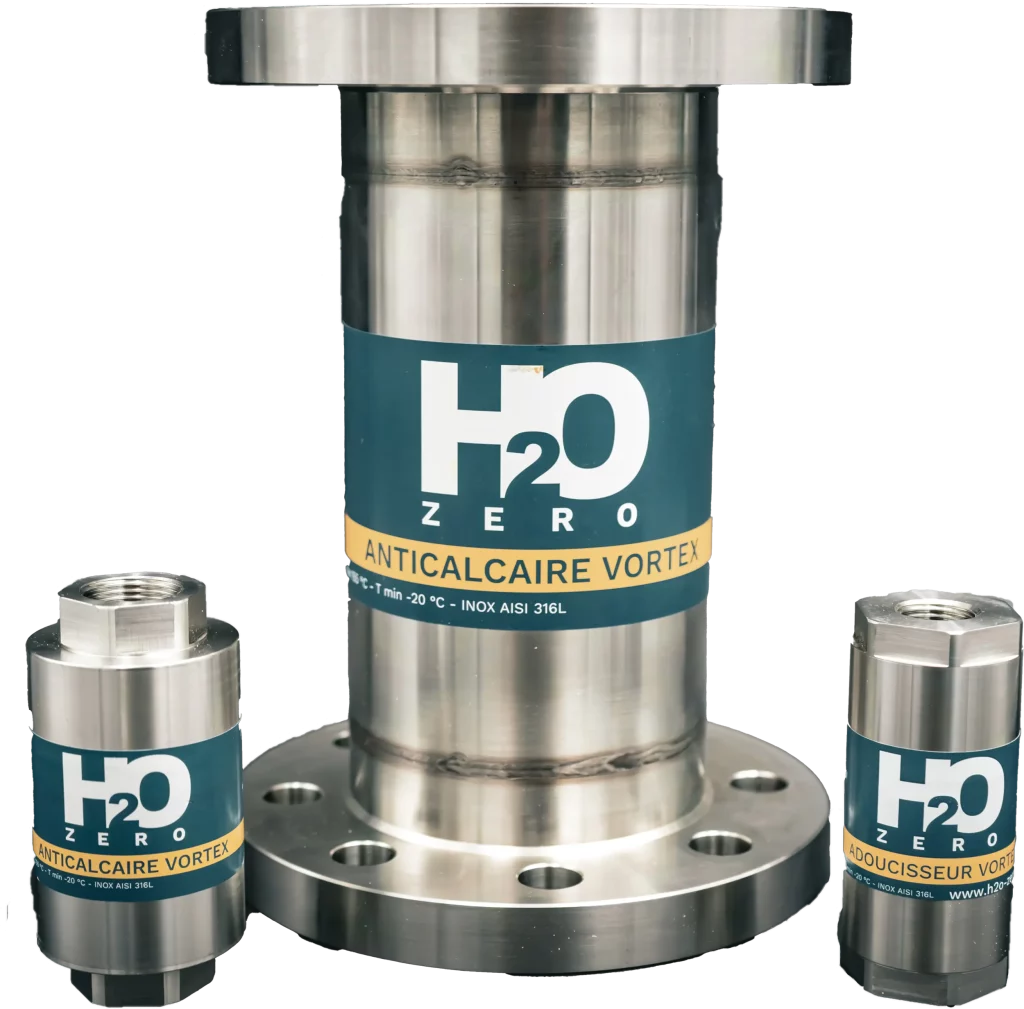
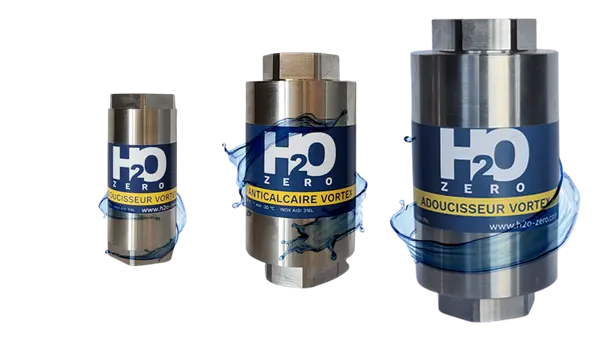
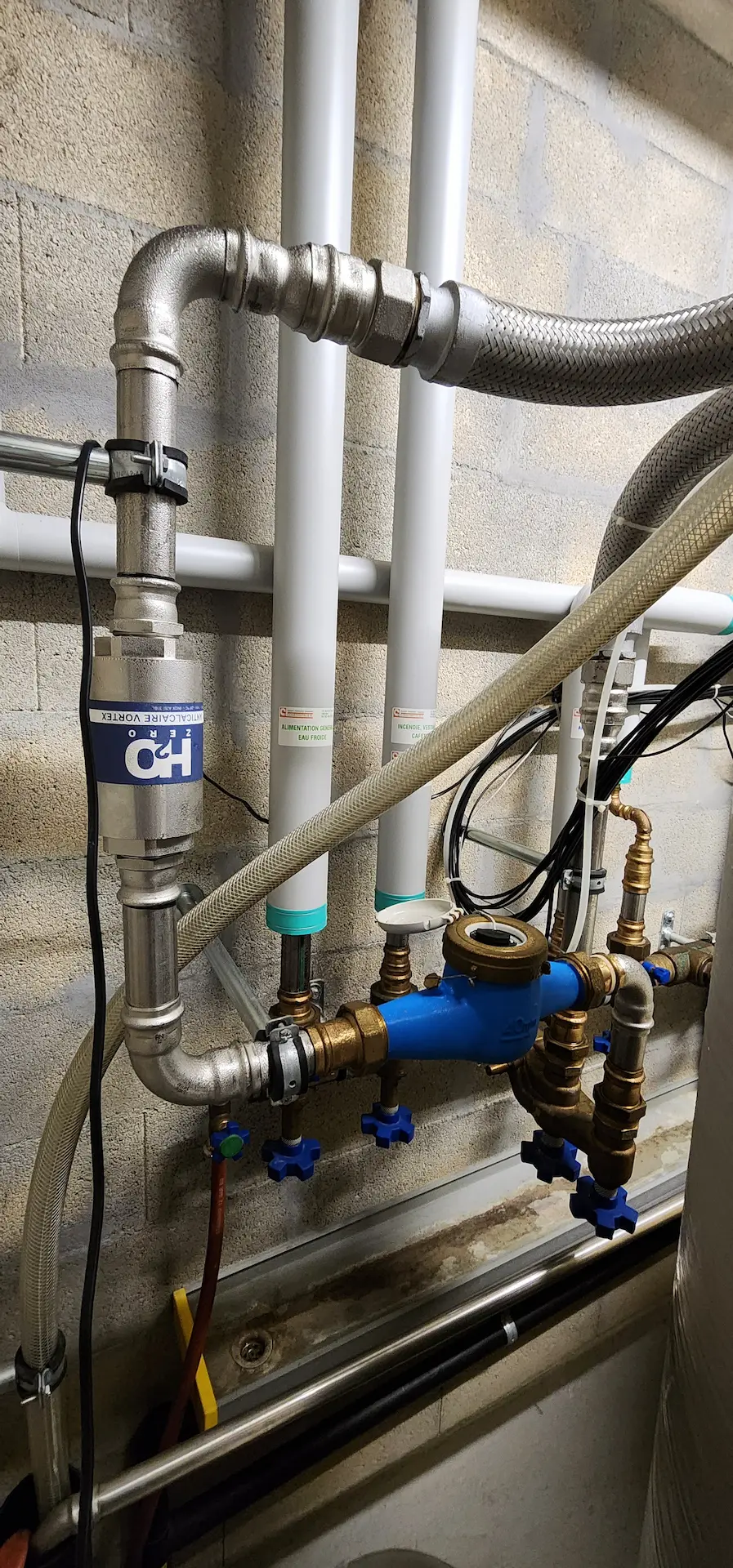
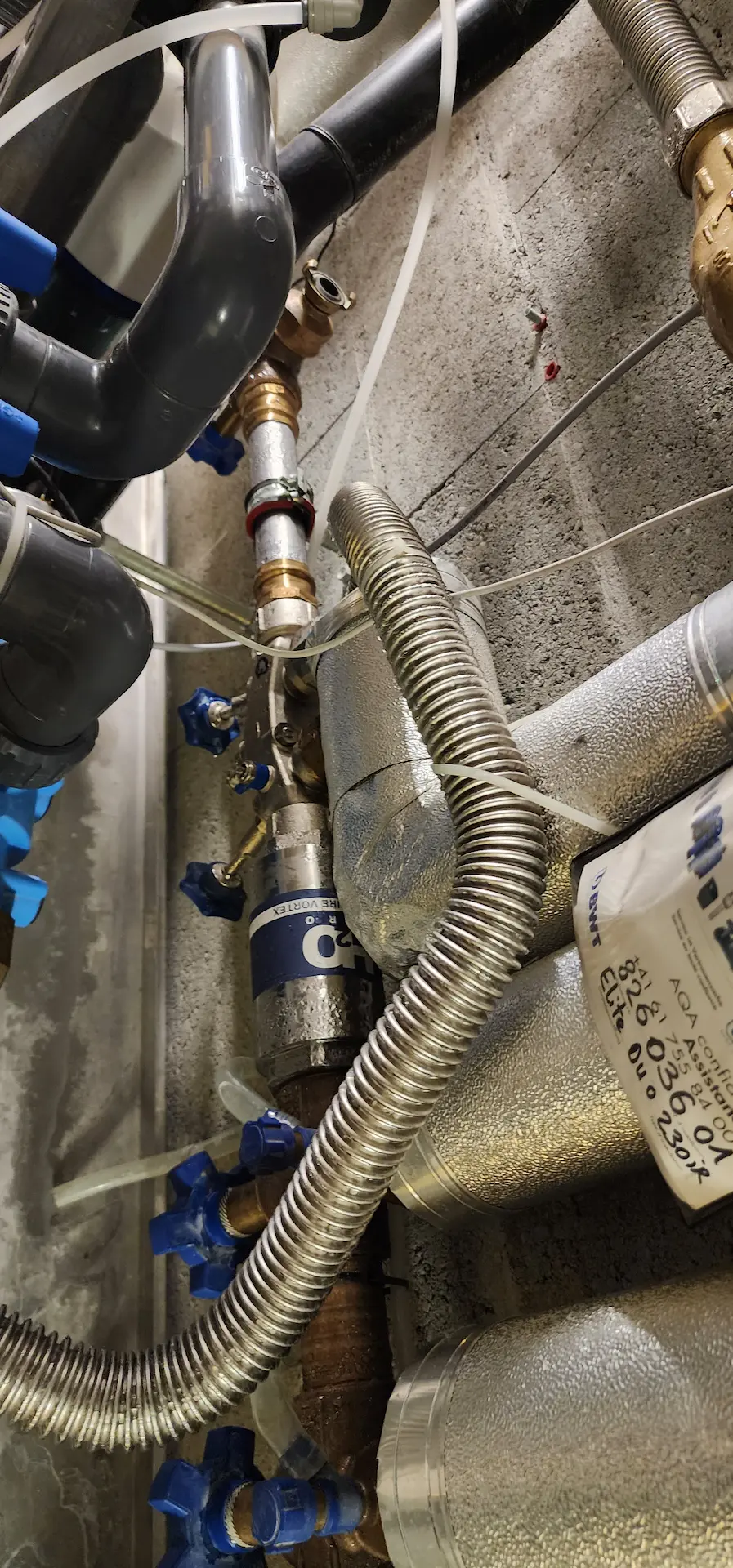
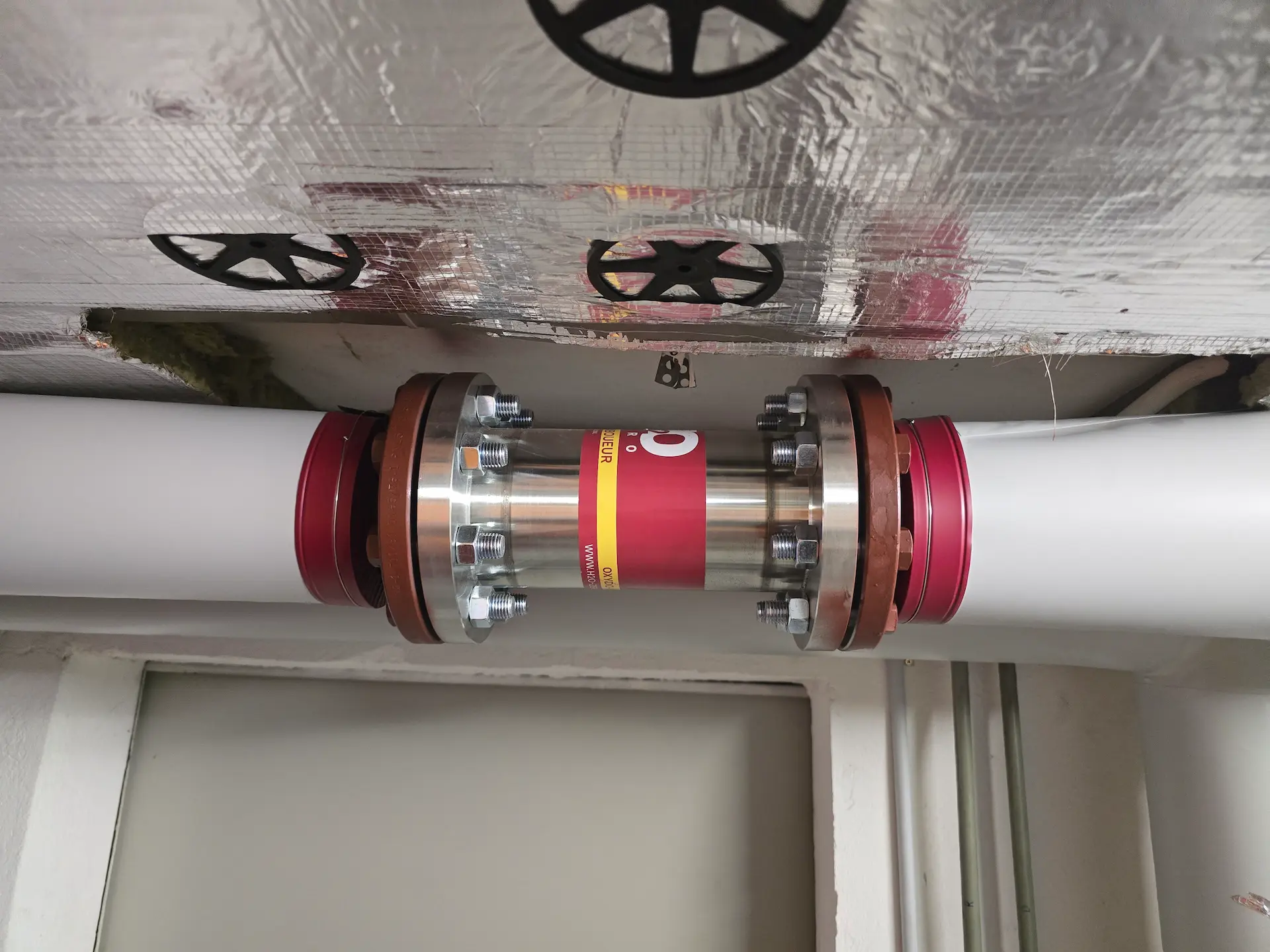
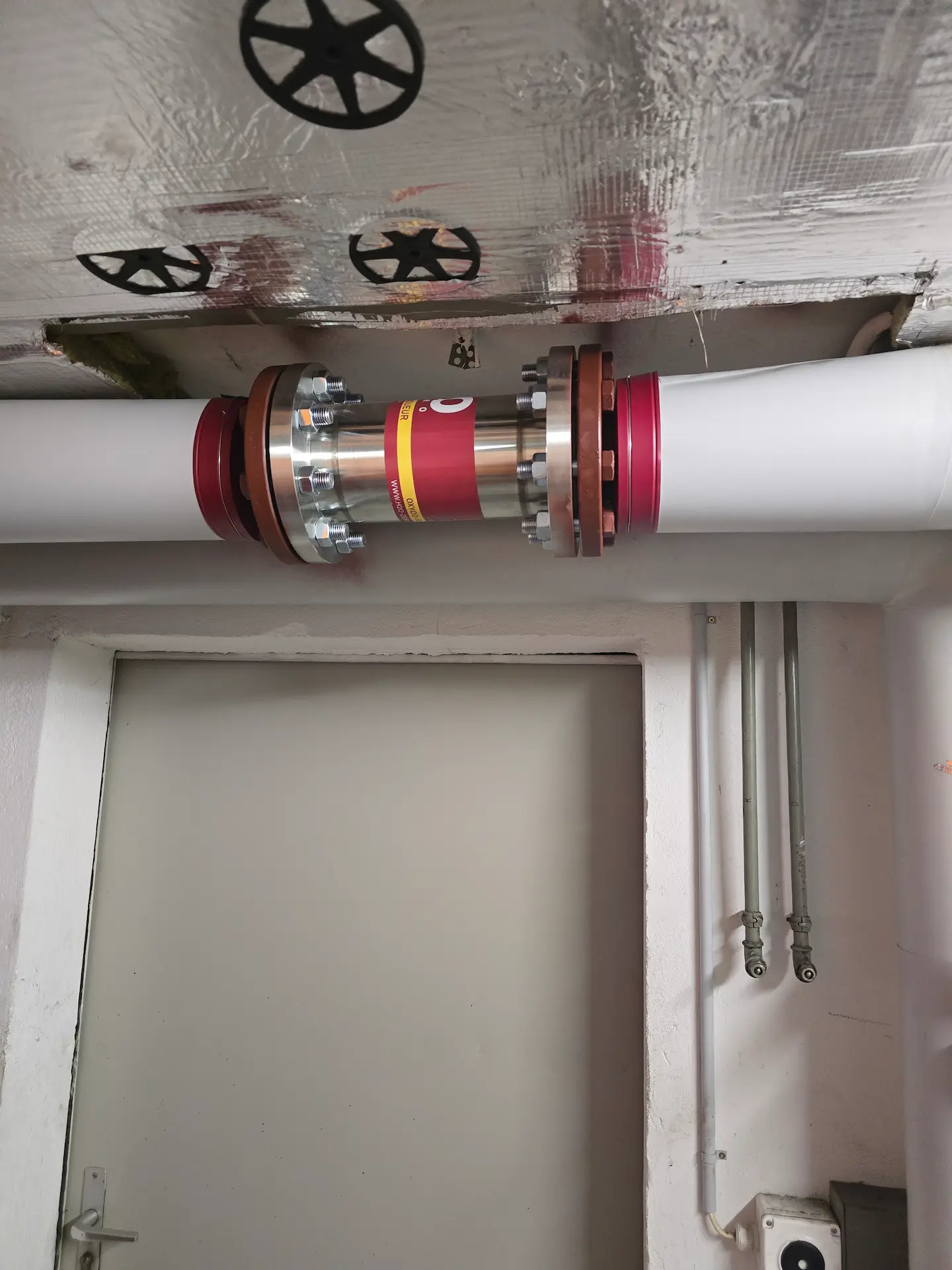
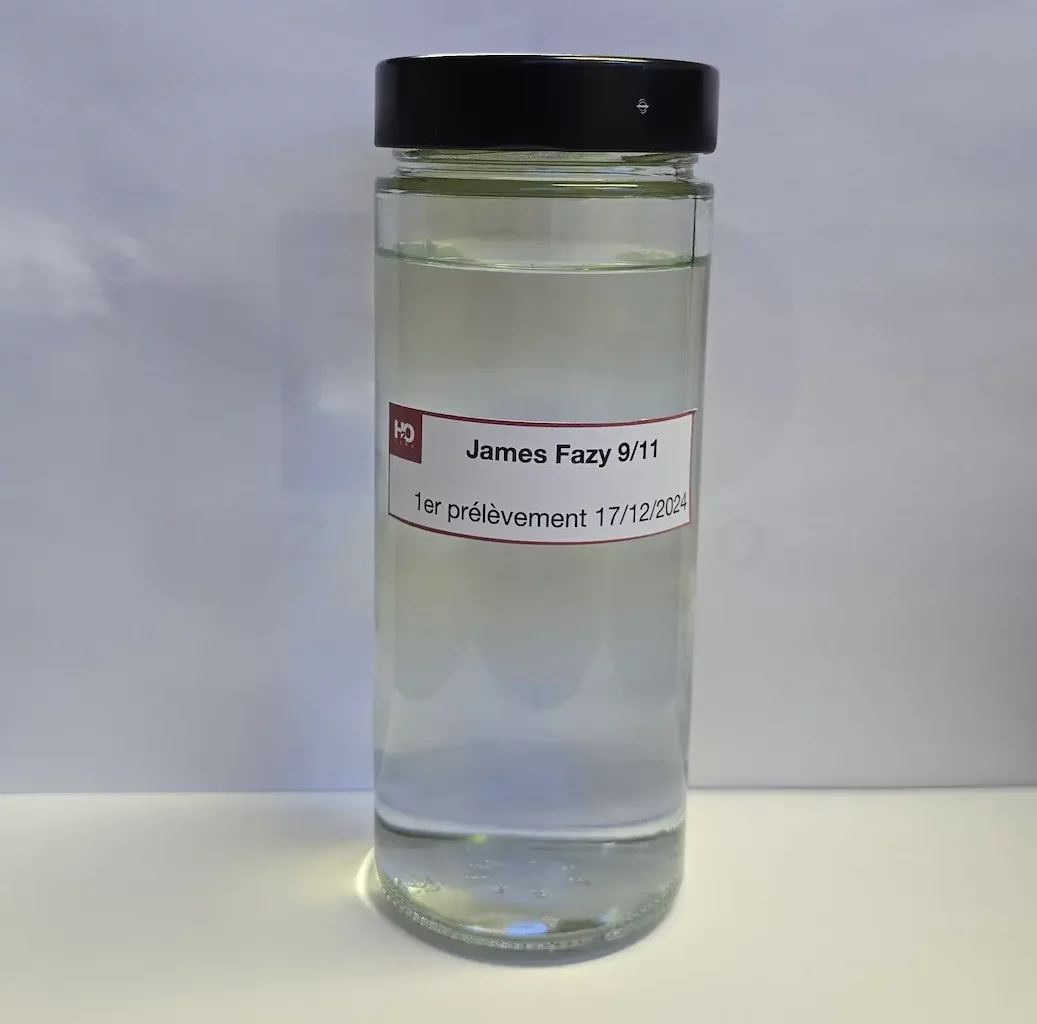
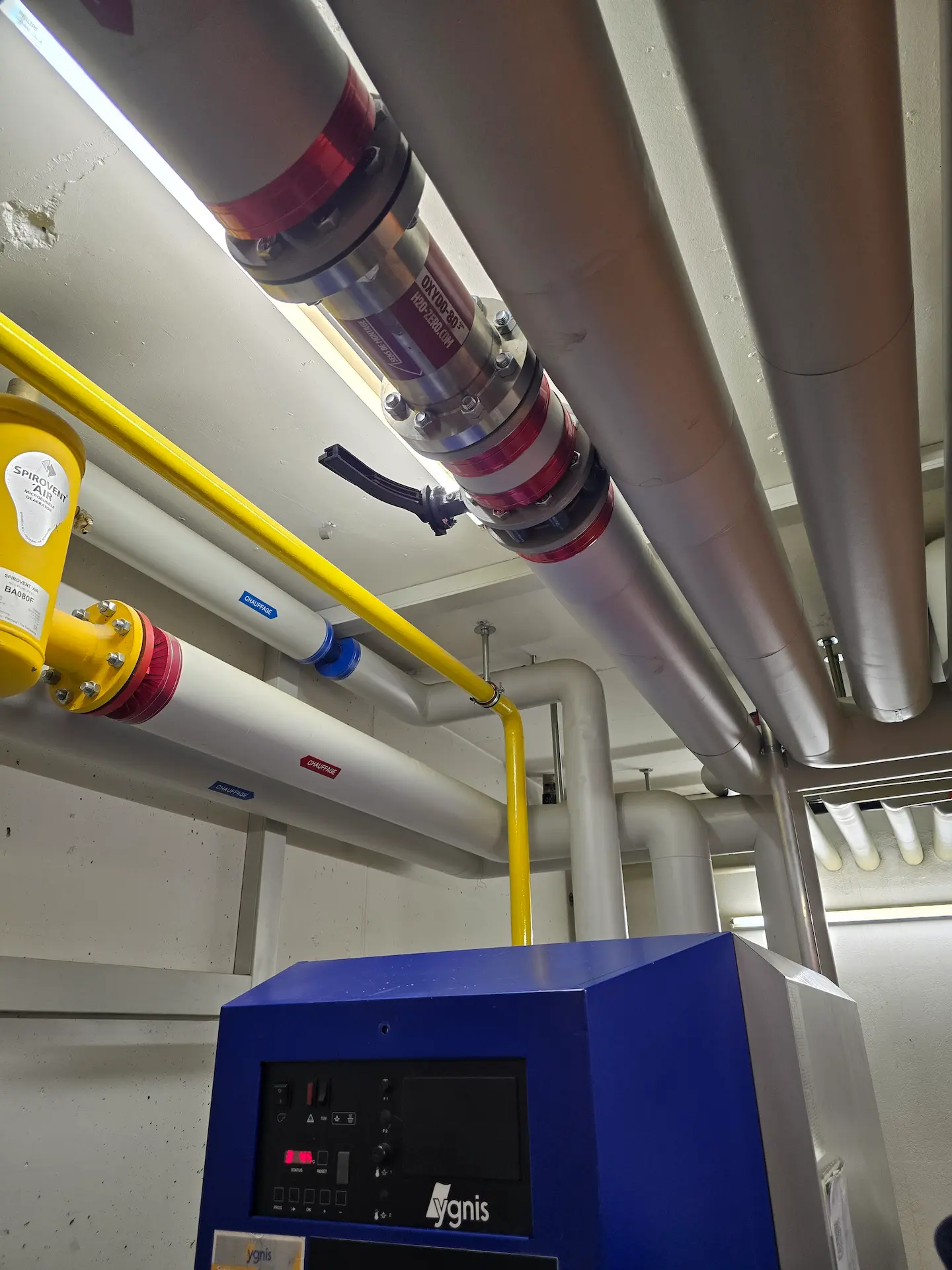
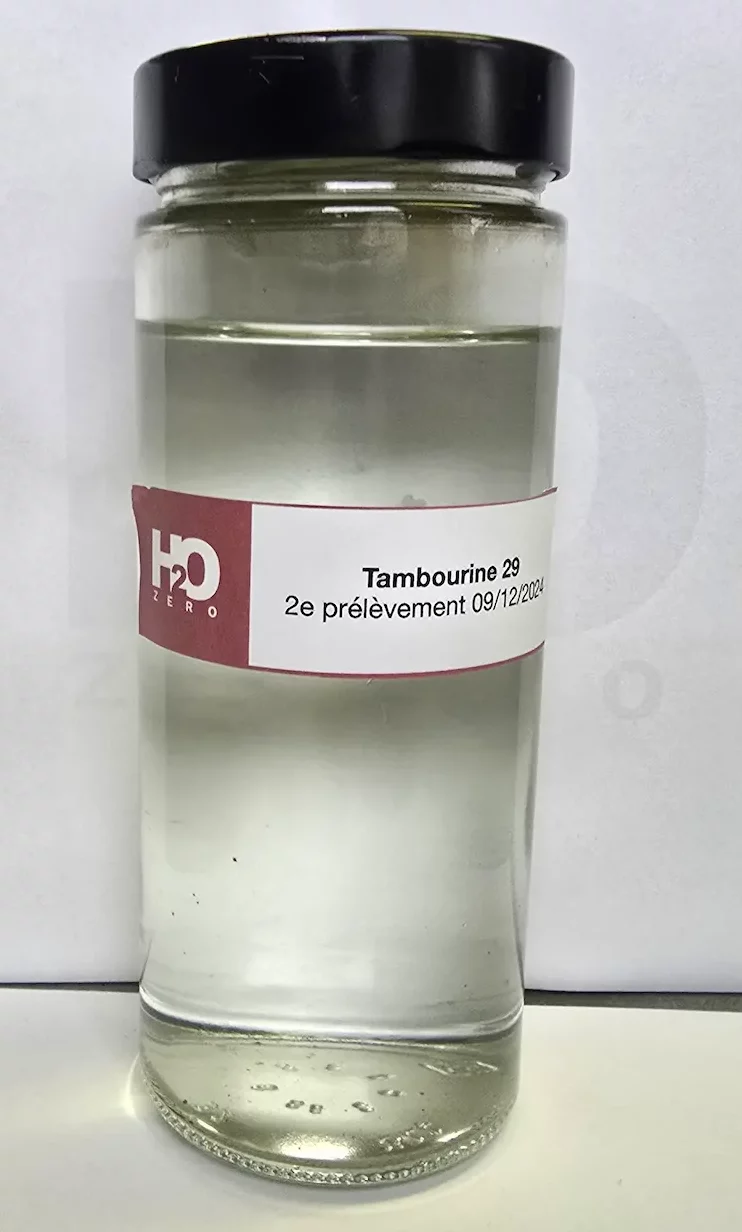
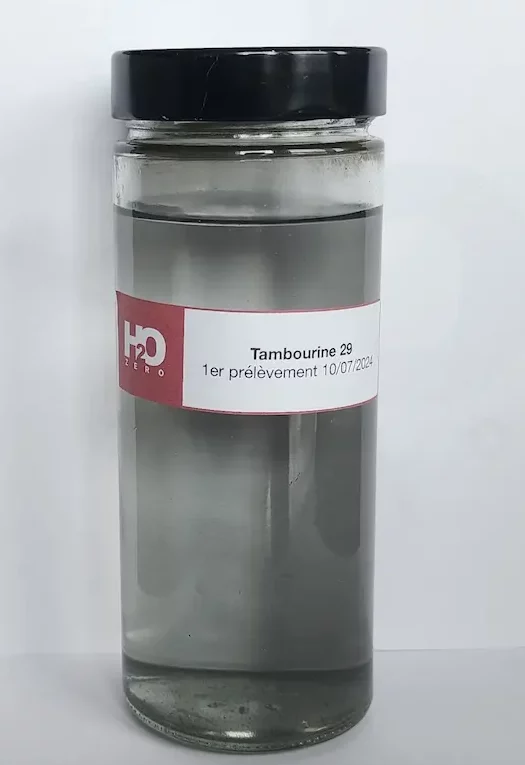
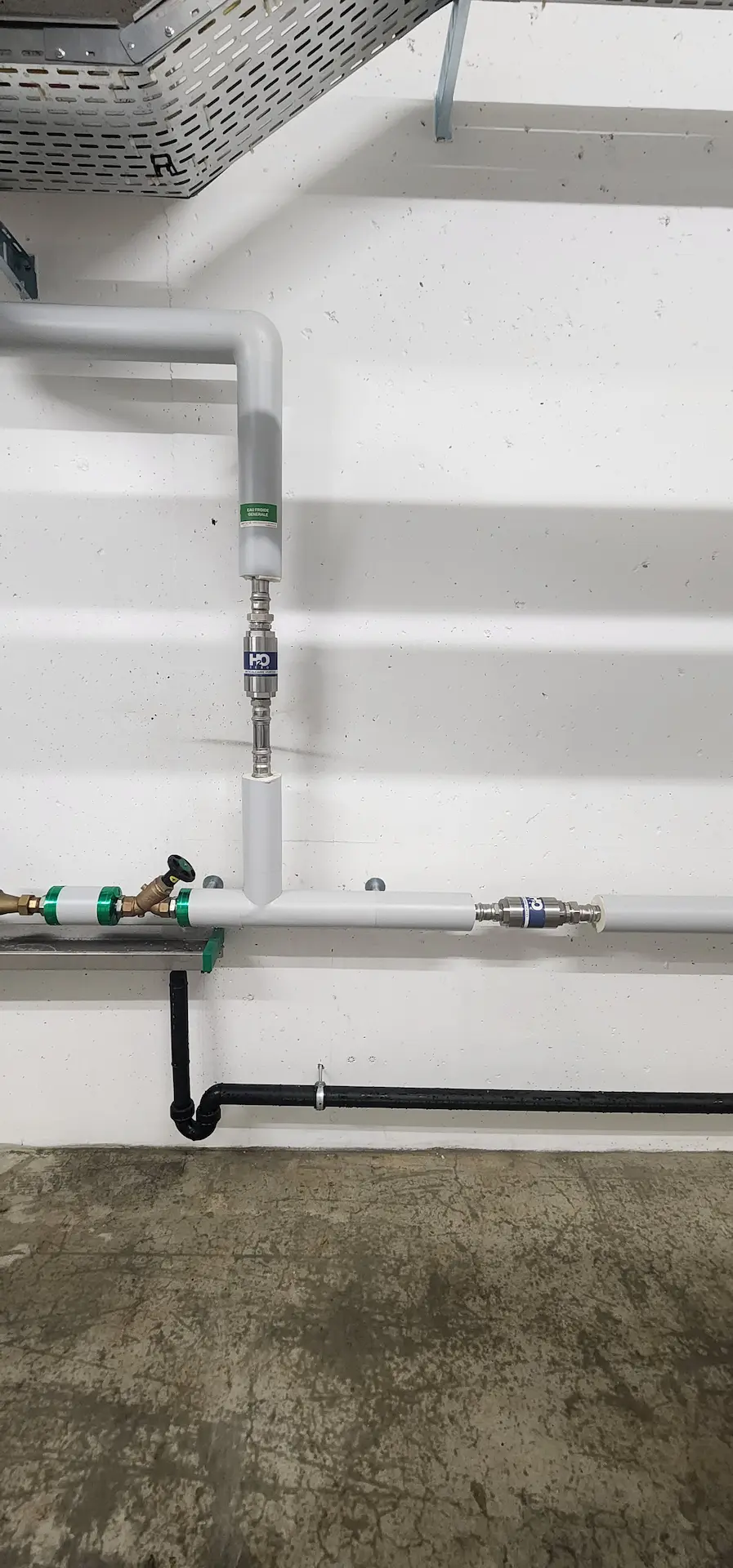
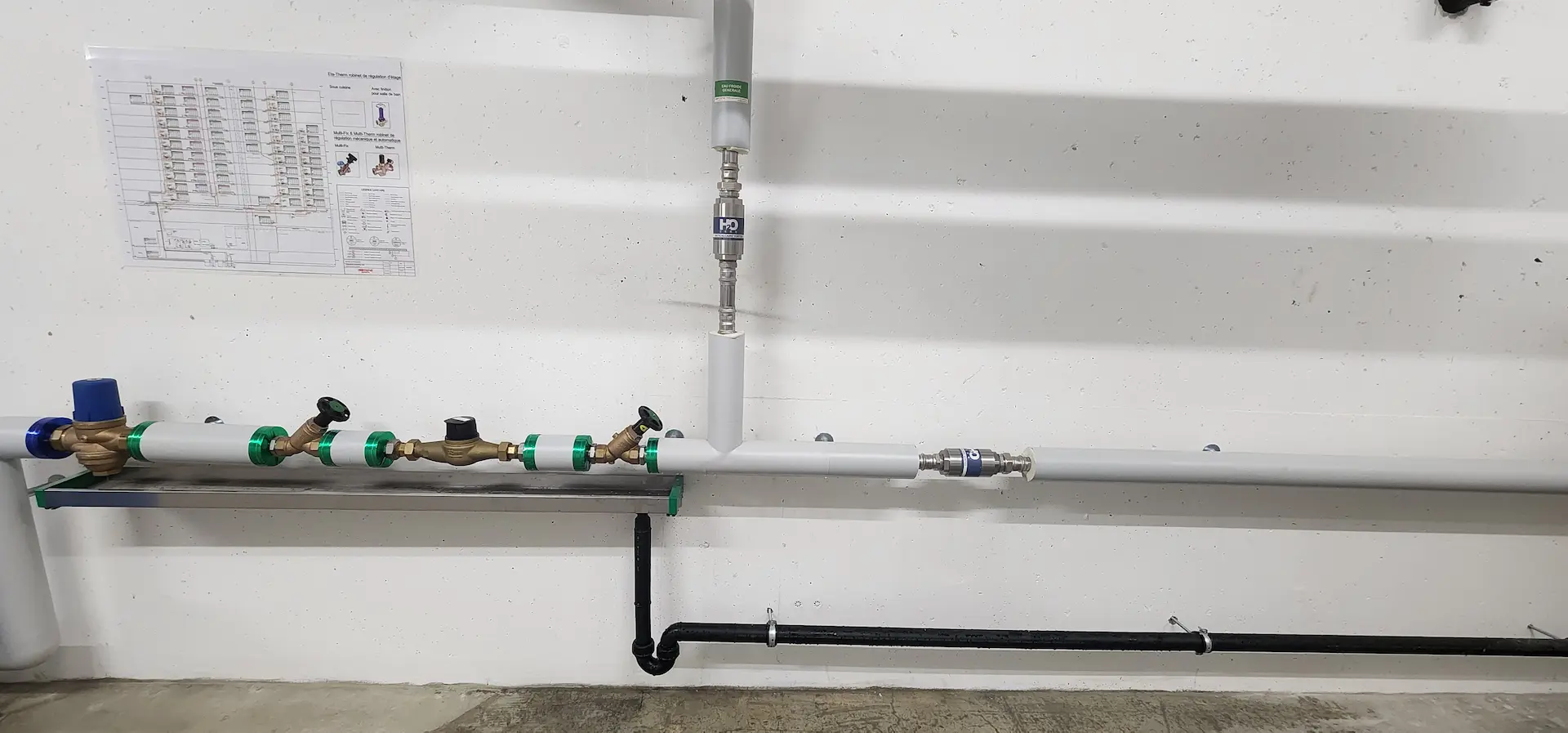
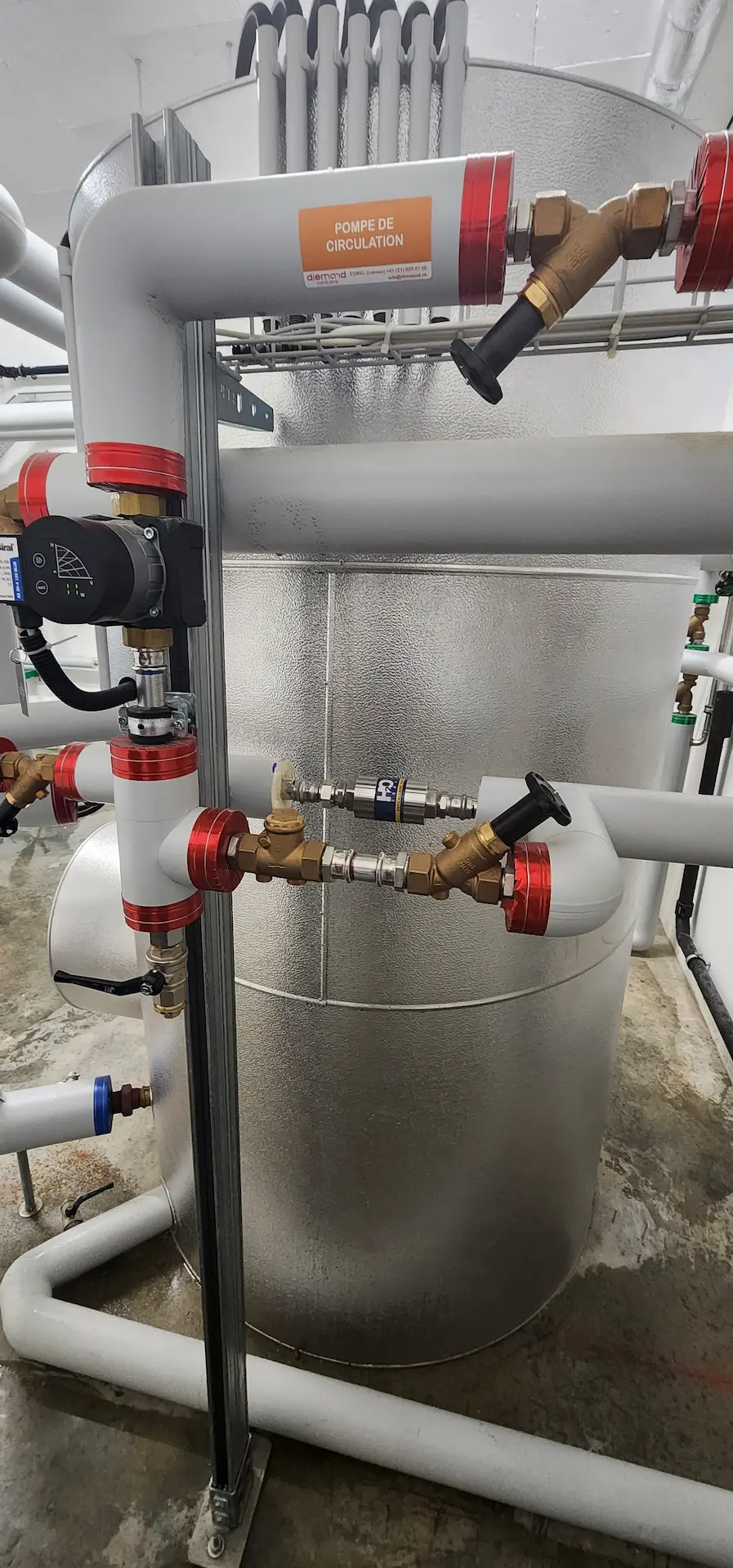
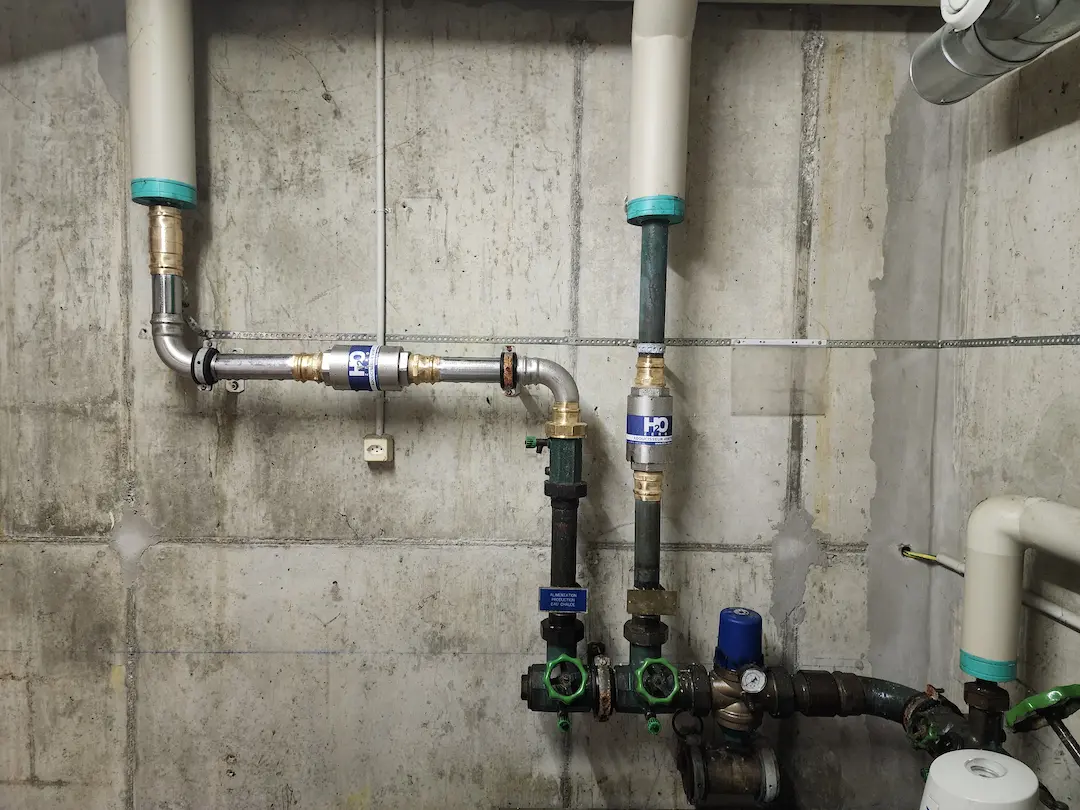
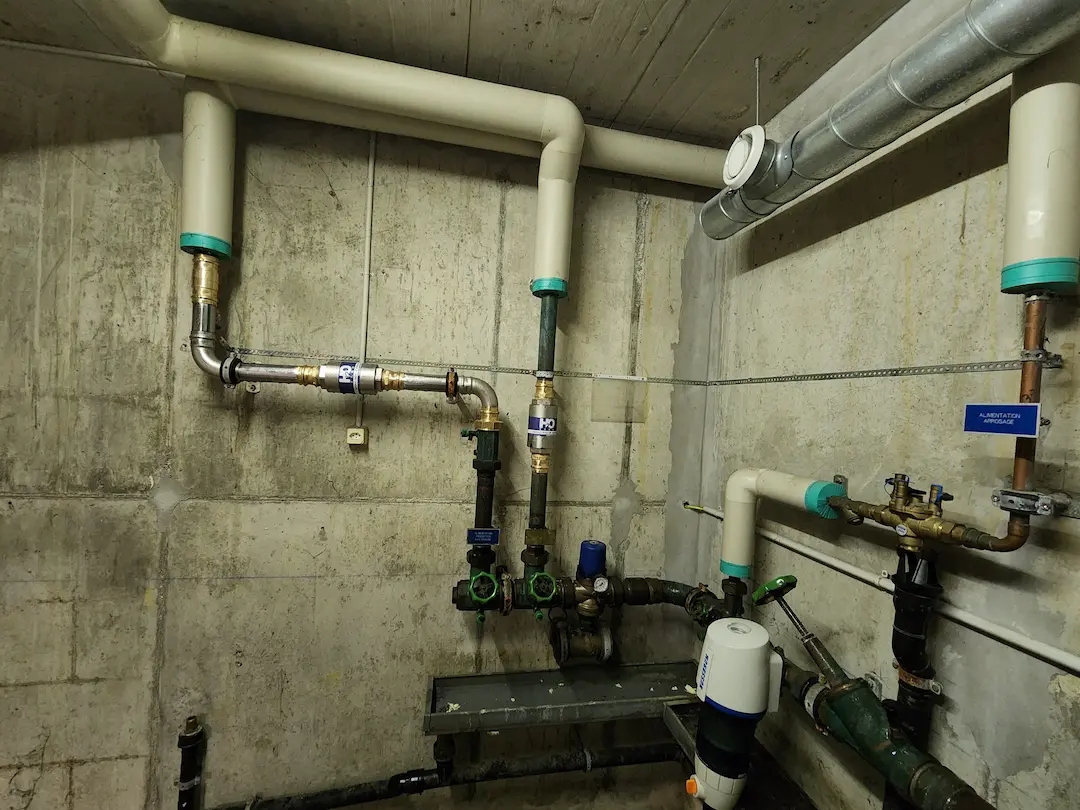
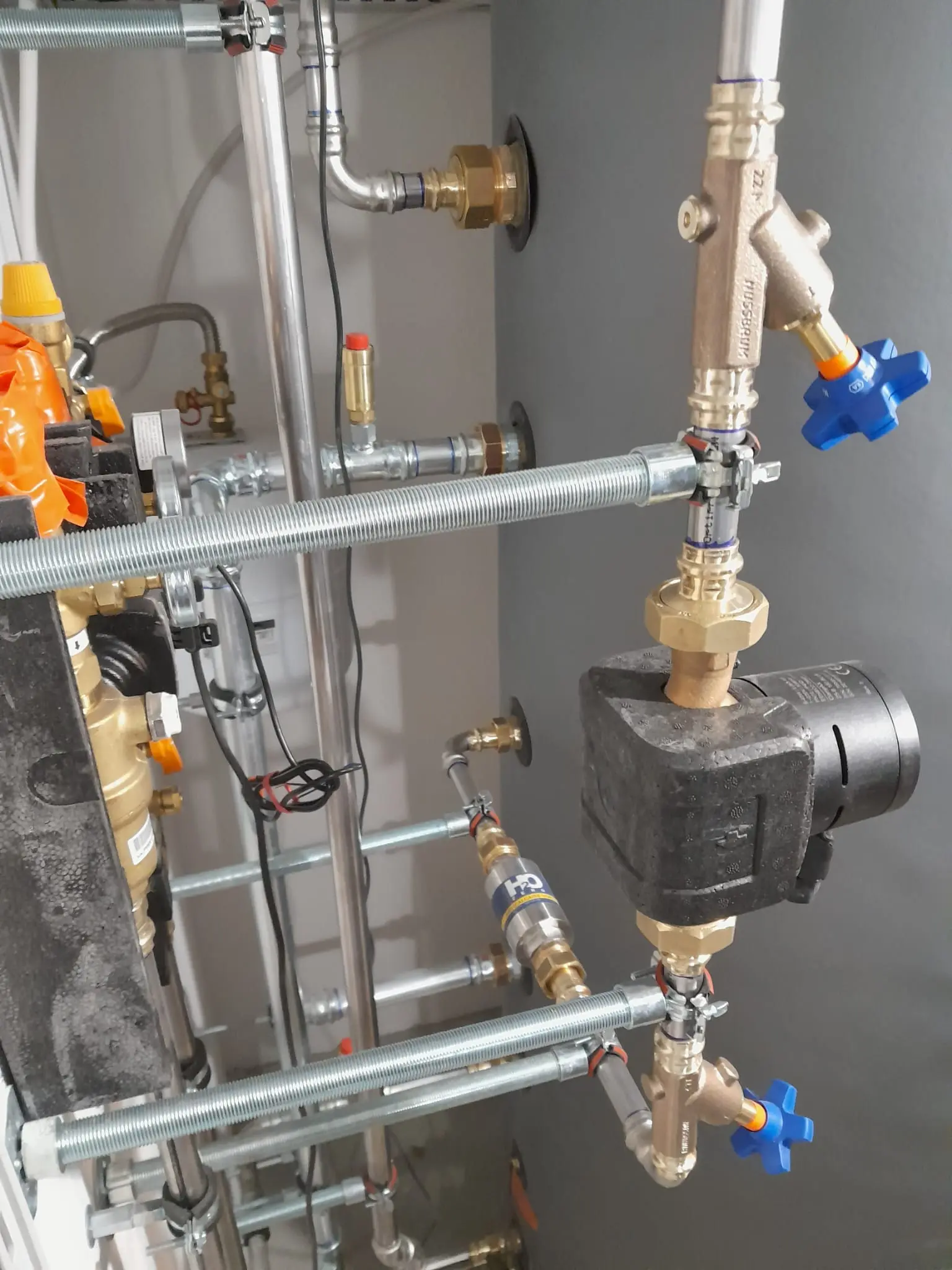
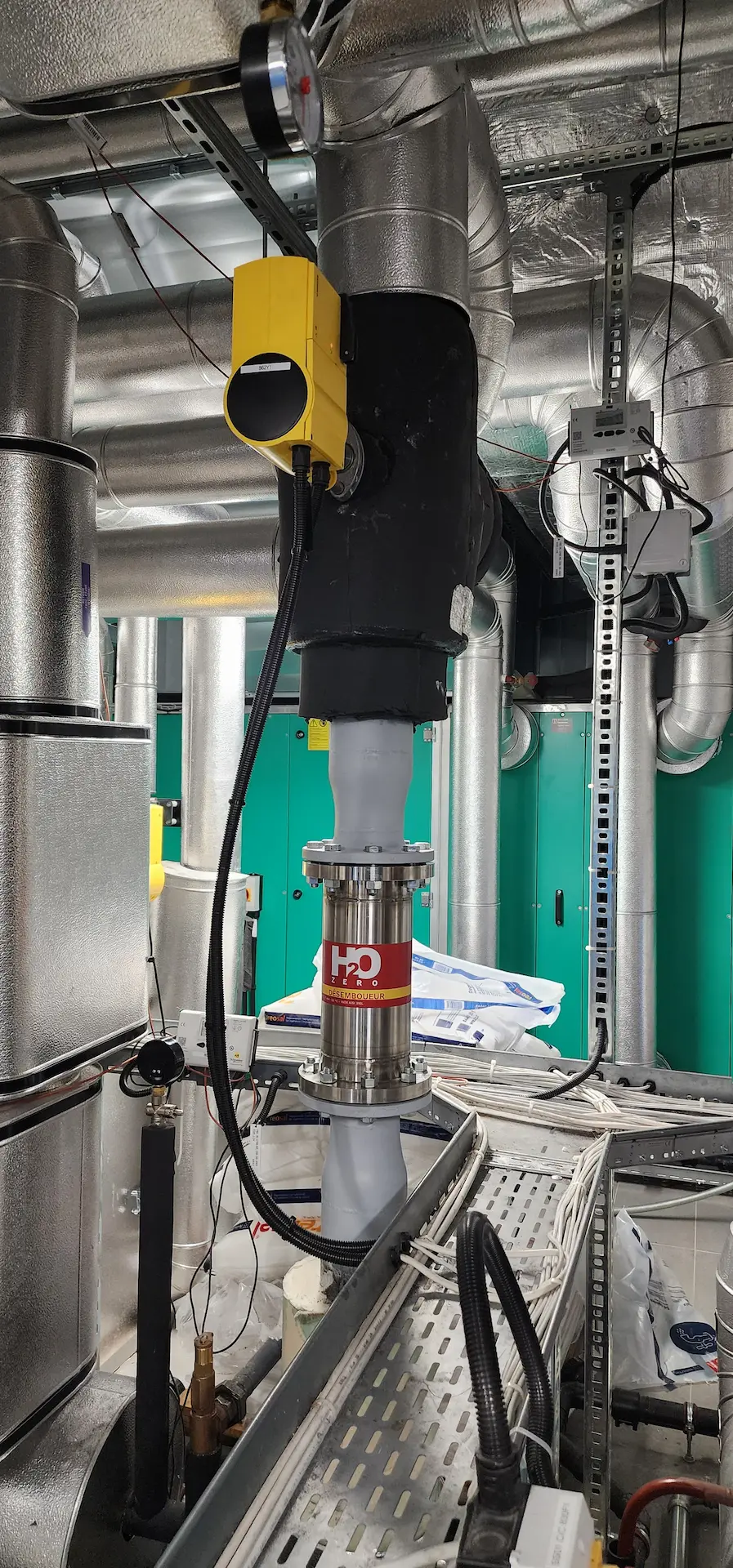
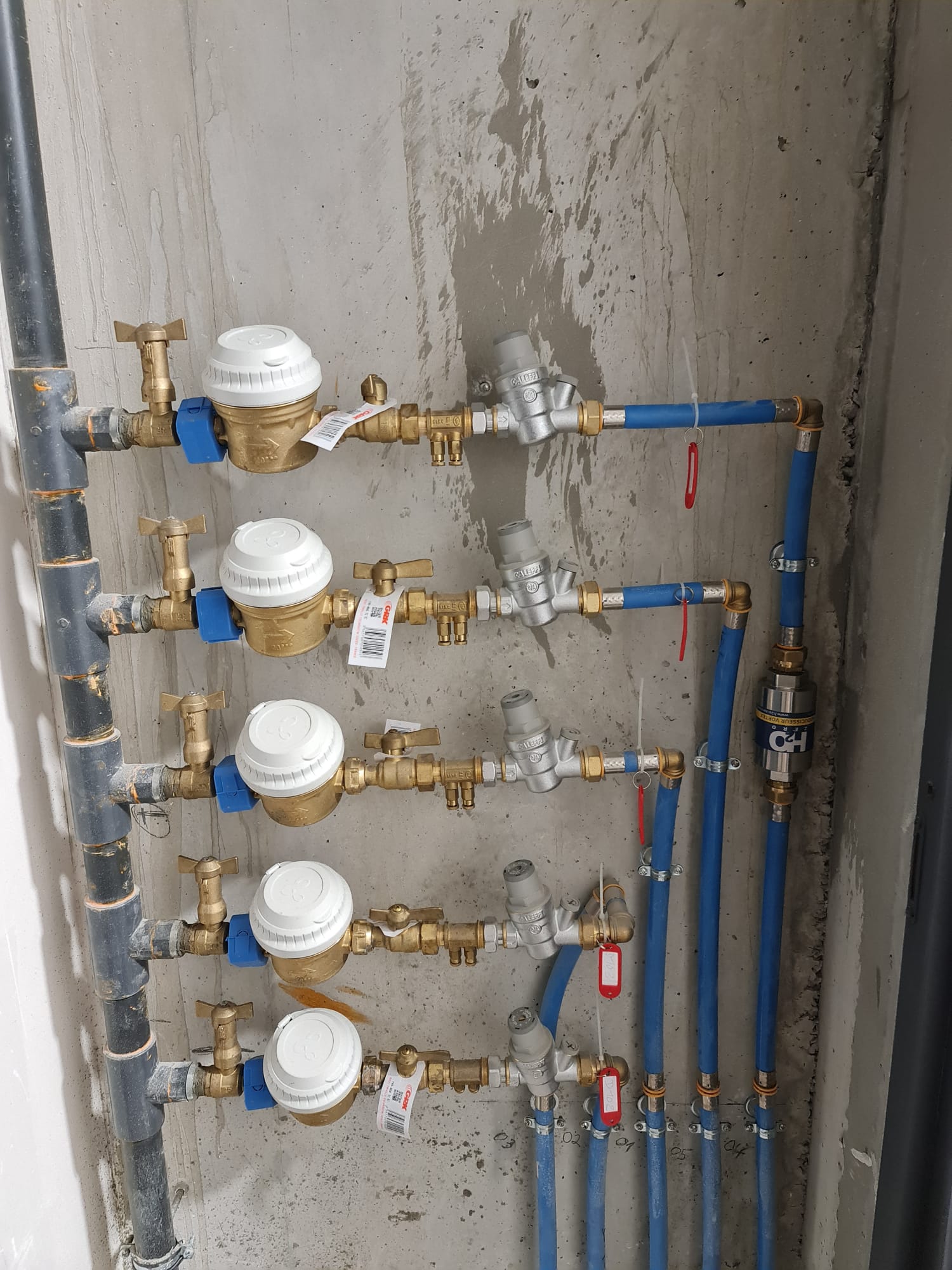
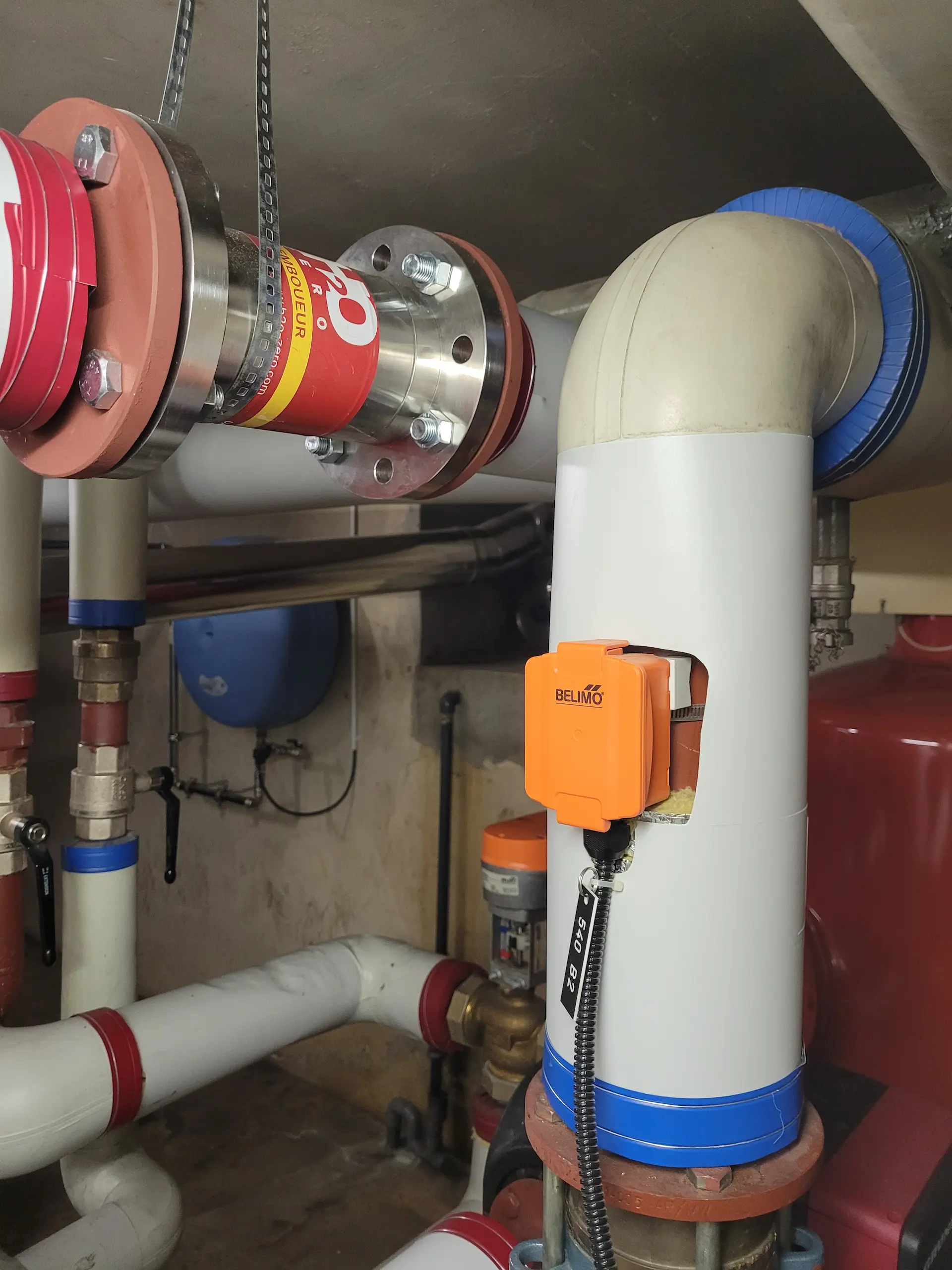
Our solutiontreats limescale naturally, without chemicals, magnetism, or electricity. Ourvortexanti-limescale systemactson the molecular structure of limescale, dissolving and reducing calcite particles and transforming them into a powder called aragonite, a non-encrusting and harmless form of limescale.
Would you like a quote?